The architectural landscape of Ibiza is defined by a singular, iconic silhouette: the traditional finca. These structures are far more than just rustic farmhouses; they represent a masterclass in vernacular architecture, a style born out of necessity, shaped by the elements, and perfected over thousands of years. When you stand before one of these gleaming white structures, you are witnessing a design philosophy that predates modern sustainable engineering yet manages to solve complex environmental challenges with elegant simplicity. The finca is a living testament to the ingenuity of the island's ancestors, offering a serene sanctuary that harmonizes perfectly with the rugged Mediterranean terrain.
One of the most fascinating aspects of the Ibizan finca is its modular nature. Unlike traditional European homes of the same era, which were often built according to a fixed floor plan, the finca grew organically. A young couple would begin with a single rectangular room known as the 'porxo'—the central hub of the home. As the family grew and their agricultural needs expanded, additional cubic rooms were tacked onto the original structure. This additive process resulted in a staggered, asymmetrical geometry that mirrors the uneven hillsides of the island. This organic growth meant that no two fincas were exactly alike, yet they all shared a cohesive visual language characterized by flat roofs, sharp edges, and a lack of ornate decoration.
The brilliance of the finca lies in its thermal efficiency. Long before the advent of air conditioning, the inhabitants of Ibiza developed a way to survive the scorching Balearic summers and the damp, cool winters. The walls of a traditional finca are exceptionally thick, often exceeding a meter in width. These walls were constructed using locally sourced stone and mortar, providing immense thermal mass. During the day, the walls absorb the sun's heat, preventing it from reaching the interior. As the temperature drops at night, that stored warmth is slowly released into the living spaces. To further combat the heat, the exterior is coated in a brilliant white lime wash. This is not merely an aesthetic choice; the white surfaces reflect the intense Mediterranean sunlight, significantly reducing the building's heat absorption.
The interior design of these homes is equally intentional. Windows were kept deliberately small and were often tapered—wider on the inside than the outside—to allow light to filter in while keeping the hot air at bay. The orientation of the house was also a critical factor. Most fincas face south to maximize sunlight during the winter months, while the thick northern walls act as a shield against the 'Tramontana' winds. This deep understanding of microclimates allowed the islanders to create a comfortable living environment using nothing but the materials provided by the earth around them.
Central to the construction of these masterpieces is the Sabina wood, a native juniper tree. The beams of the ceiling, often visible and deeply aromatic, are made from this incredibly durable, rot-resistant timber. The scent of Sabina is synonymous with the Ibizan interior, providing a woody, ancient fragrance that lingers for decades. Because Sabina trees grow slowly and are often twisted by the wind, the beams are rarely perfectly straight, adding a soulful, hand-crafted quality to the rooms. These beams support a multi-layered roof system made of seaweed, ash, and clay, which provides further insulation and waterproofing, showcasing a level of ecological integration that modern builders are only now beginning to rediscover.
The influence of the Ibizan finca extends far beyond the shores of the White Isle. In the early 20th century, pioneers of the Modernist movement, including the renowned architect Le Corbusier and the Bauhaus school, found great inspiration in the island’s cubic forms. They saw in the finca a pure expression of functionalism—the idea that form should follow function without the distraction of unnecessary ornament. The minimalist, cubist aesthetic that dominated global architecture for decades owes a significant debt to the humble Ibizan farmer. When you look at the clean lines of a modern luxury villa today, you are often looking at a contemporary interpretation of a design language that was perfected in the Ibizan countryside centuries ago.
Today, the preservation of these fincas is a matter of cultural pride and environmental importance. While many have been transformed into high-end retreats, the most successful renovations are those that respect the original spirit of the building. Maintaining the lime-washed walls requires regular care, a ritual that connects the current owners to the traditional rhythms of island life. Living in a finca is an invitation to slow down. The thick walls create a profound sense of silence and protection, a stark contrast to the vibrant, high-energy reputation of the island’s coastlines. It is in these quiet, white-walled spaces that the true soul of Ibiza resides—a soul built on resilience, simplicity, and an enduring respect for the natural world.
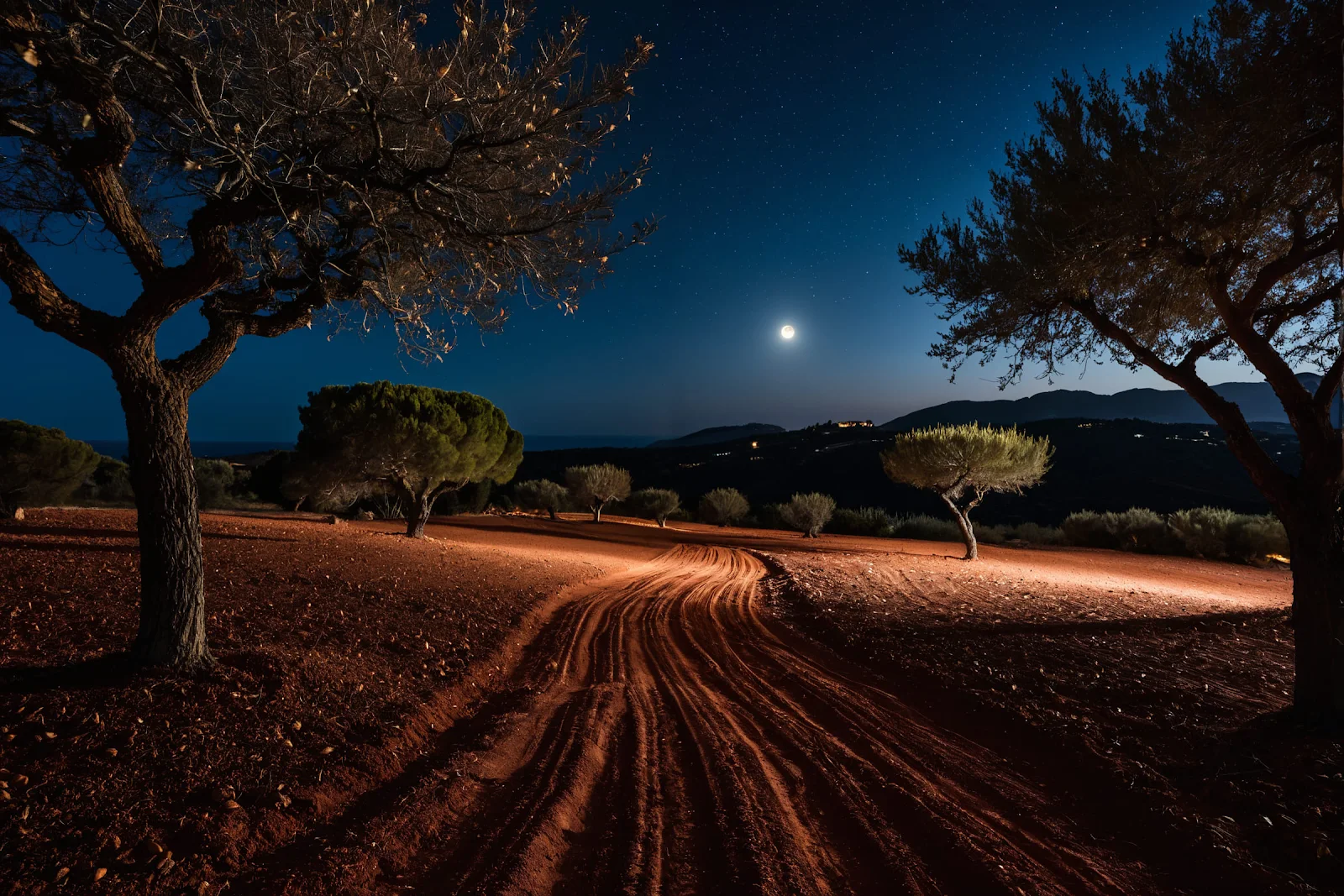
Exploring the interior of the island reveals these white gems nestled among olive groves and almond trees, their blindingly white surfaces contrasting with the deep red earth of the fields. Each finca tells a story of a family that lived off the land, pressing their own olive oil, baking bread in outdoor stone ovens, and gathering under the shade of a carob tree. To experience an Ibizan finca is to experience a perfect marriage of human creativity and environmental harmony. It is a reminder that the most sophisticated solutions are often the ones that have been right in front of us for generations, waiting to be appreciated for their timeless wisdom and breathtaking beauty.

No comments:
Post a Comment