Ibiza, a name that resonates across the globe with the frequency of a bass-heavy anthem, is an island of profound contradictions and hidden depths. Spanning a modest 572 square kilometers, this Balearic gem is far more than its reputation as the world’s premier nightlife destination suggests. While millions flock to its shores every summer to experience the energy of its legendary clubs, those who look closer discover a landscape steeped in ancient history, a fragile and unique ecosystem, and a cultural heritage that has remained remarkably resilient despite the tides of modern tourism. To understand Ibiza is to appreciate the delicate balance between its high-octane present and its tranquil, sun-bleached past.
The island’s story begins not with a turntable, but with the Phoenicians, who founded a settlement here as early as 654 BC. They named it Ibossim, dedicated to the god Bes, a protector of households and a deity of dance and music—a fitting patron for an island that would eventually become the world’s stage for rhythm. The archaeological site of Sa Caleta remains a silent witness to these early seafaring pioneers. This deep historical rooting provided Ibiza with a cosmopolitan DNA long before the first charter flight landed. Over the centuries, Carthaginians, Romans, and Moors each left their mark, influencing the island’s agriculture, its defensive architecture, and its distinct dialect, Eivissenc.
One of the most extraordinary aspects of the island’s natural beauty is the startling clarity of its surrounding waters. This crystalline turquoise is not merely a trick of the light but a biological marvel. The seabed between Ibiza and its sister island, Formentera, is home to vast meadows of Posidonia oceanica, a seagrass species that is thousands of years old. This underwater forest acts as a natural filtration system, oxygenating the water and providing a nursery for countless marine species. Recognized as a UNESCO World Heritage site, the Posidonia is the lungs of the Mediterranean, and its preservation is vital to maintaining the island’s iconic coastline. For the conscious traveler, these waters offer a snorkeling experience that feels like drifting through an aquatic cathedral.
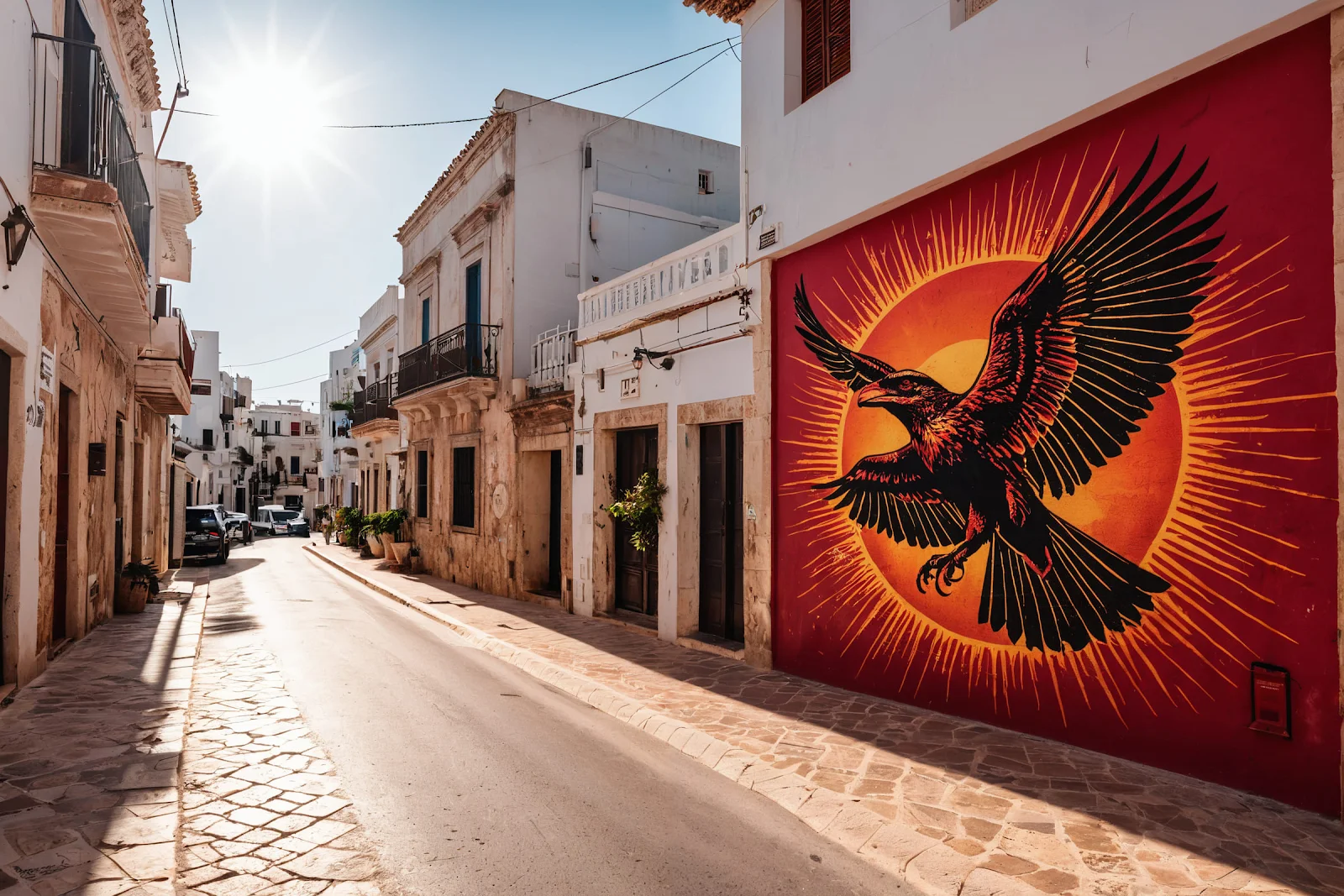
Moving inland, the "White Island" earns its nickname through its iconic vernacular architecture. The traditional ibicenco finca is a masterclass in functionalism and sustainability. These thick-walled, lime-washed stone houses were designed to stay cool in the scorching Mediterranean sun, with small windows and flat roofs designed to collect precious rainwater. This aesthetic of minimalism influenced modern architects like Le Corbusier, who found inspiration in the geometric purity and organic growth of the island’s farmhouses. Today, many of these ancient structures have been lovingly restored into agroturismos, offering a type of luxury that is rooted in the soil, the scent of almond blossoms, and the rhythmic sound of cicadas.
The magnetism of Ibiza is often discussed in literal terms, particularly regarding the enigmatic rock formation of Es Vedrà. Rising nearly 400 meters from the sea off the southwest coast, this limestone monolith is the subject of countless urban legends, from being the home of sirens to being a navigational beacon for extraterrestrial life. Geologically, it is a site of significant magnetic intensity, often cited as the third most magnetic spot on Earth. Whether one believes the folklore or not, the experience of watching the sunset over Es Vedrà is undeniably moving. It captures the spiritual pull that drew the "hippy" movement to the island in the 1960s, a legacy that survives in the bohemian markets of Las Dalias and San Juan.
Gastronomy on the island has undergone a quiet revolution, moving away from simple beachside snacks to a sophisticated celebration of "Km 0" ingredients. The salt flats of Ses Salines, which have been in continuous use for over two millennia, produce some of the finest sea salt in the world, once known as the island’s "white gold." This salt is the foundation for local delicacies like Bullit de Peix, a rich fish stew traditionally served in two courses, followed by rice cooked in the remaining broth. For dessert, the Flaó—a cheesecake flavored with aniseed and fresh mint—offers a flavor profile that dates back to the Middle Ages, proving that Ibiza’s culinary heart beats to an ancient rhythm.
The modern challenge for Ibiza is managing its immense popularity within its small geographical footprint. With a resident population of roughly 150,000, the strain of millions of annual visitors requires a sophisticated approach to sustainability and resource management. There is a growing movement toward regenerative tourism, where the focus shifts from consumption to preservation. Visitors are increasingly encouraged to explore the island during the "off-season"—the vibrant springs and mild winters—when the almond trees are in bloom and the true character of the villages like Santa Gertrudis and San Carlos can be felt without the summer crowds.
Ultimately, Ibiza is an island that rewards the curious. Beyond the neon lights and the celebrity sightings lies a landscape of rugged cliffs, secret coves, and a resilient culture that refuses to be overshadowed. It is a place where one can dance until dawn and then find total solitude in a pine-scented forest just a few miles away. This duality is the secret of its enduring appeal. Ibiza does not just offer a vacation; it offers an immersion into a Mediterranean lifestyle that is both ancient and cutting-edge, proving that even the smallest of islands can contain an entire world of wonder.

No comments:
Post a Comment