Understanding the Balearic Islands' Stricter Tourism Regulations for 2026: A Comprehensive Guide for Travelers

For decades, the sun-drenched shores of the Balearic Islands have served as the ultimate summer playground for European vacationers. Last year alone, more than 3.5 million British tourists traveled to Majorca, Ibiza, Menorca, and Formentera, drawn by the promise of Mediterranean sunshine, vibrant nightlife, and accessible hospitality. However, travelers planning itineraries for 2026 must prepare for a fundamentally altered landscape.

In response to mounting ecological pressures and local socio-economic strain, Spanish authorities have aggressively pivoted away from the "sun-and-booze" tourism model. Through the strict enforcement of the Decree for Responsible Tourism, local governments are implementing substantial financial penalties to curb antisocial behavior, mitigate overtourism, and protect the quality of life for permanent residents.

The Shift Toward Sustainable Tourism

The legislative crackdown did not emerge in a vacuum. Over the past few years, the Balearic Islands have witnessed unprecedented local protests against mass tourism. Residents in heavily trafficked areas have voiced mounting frustration over noise pollution, public disturbances, and a severe housing crisis exacerbated by short-term holiday rentals.

To address these concerns, the regional government introduced the Decree for Responsible Tourism in 2024, replacing earlier, less comprehensive laws. As we look toward the 2026 travel season, these regulations have transitioned from an introductory phase into a period of strict, zero-tolerance enforcement. The overarching goal is a strategic economic shift: transitioning the islands' reputation from cheap party destinations to premium, sustainable, and culturally respectful locales.

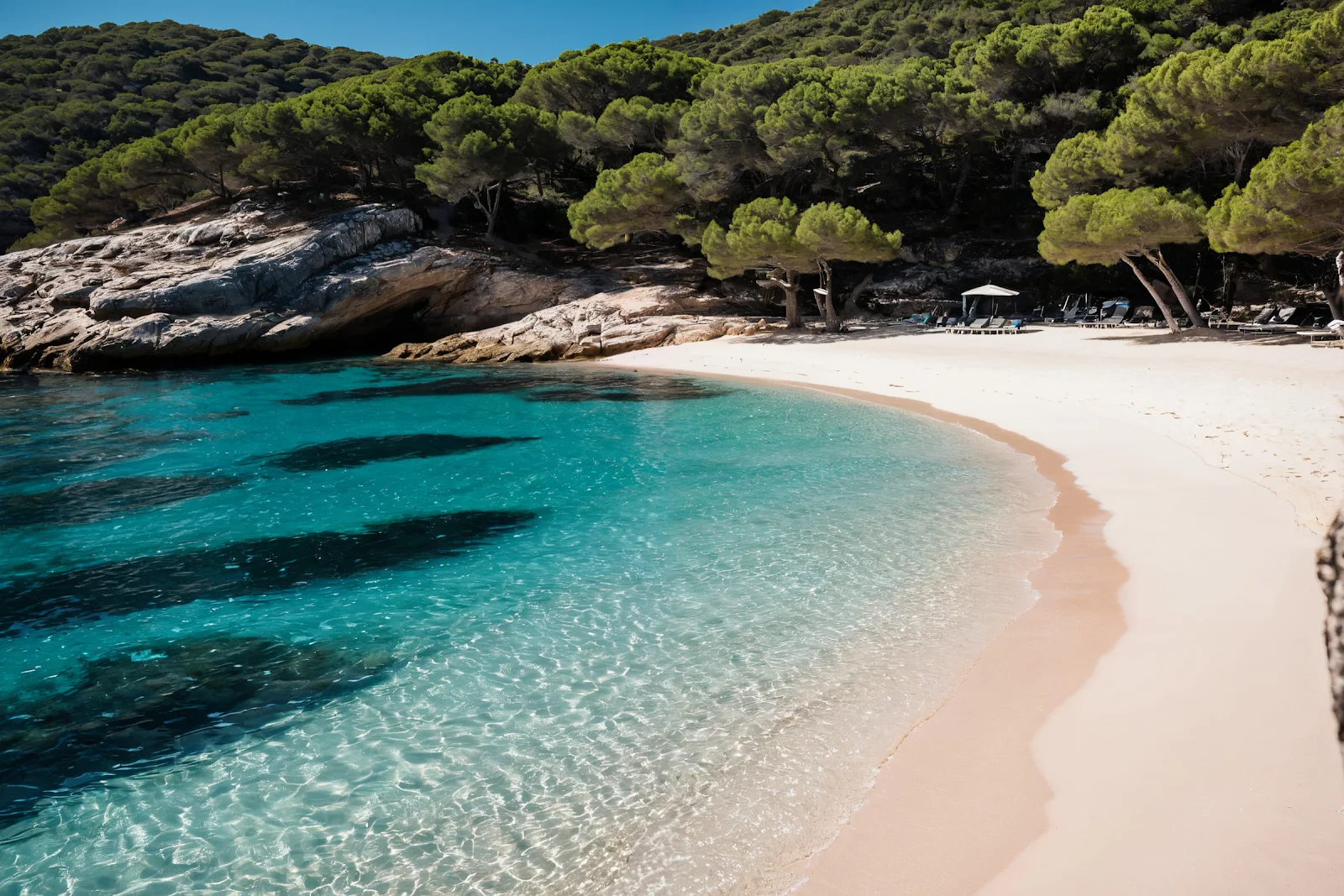
A peaceful and pristine beach in Majorca at sunrise, representing the Balearic Islands' shift toward sustainable tourism.

Key Regulations and Financial Penalties

Travelers visiting designated high-impact zones—most notably Magaluf and Playa de Palma in Majorca, and San Antonio in Ibiza—will find their holiday packages and daily activities heavily regulated. The local police force has been granted expanded authority to issue on-the-spot fines for infractions that previously went unpunished.

To ensure compliance, travelers should familiarize themselves with the following critical restrictions:

  • Public Drinking Bans: Consuming alcohol on public streets or beaches is strictly prohibited in designated zones. Individuals caught violating this rule face fines ranging from €500 (£430) for minor infractions to €3,000 (£2,580) for severe or repeated offenses.
  • All-Inclusive Alcohol Limits: The traditional "bottomless" all-inclusive hotel package has been effectively abolished in regulated resorts. Guests are now legally restricted to a maximum of six alcoholic drinks per day, which must be divided evenly (three during lunch service and three during dinner service). Hotels are legally permitted to charge premium rates for any beverages ordered outside of this daily allowance.
  • Retail Curfews: To eliminate late-night street drinking, off-license alcohol sales in supermarkets and convenience stores are completely banned between 9:30 PM and 8:00 AM in high-impact tourist municipalities.
  • Prohibition of Irresponsible Promotions: Establishments are no longer permitted to host or advertise "happy hours," two-for-one drink specials, or organized pub crawls. Furthermore, party boats face strict limitations regarding where they can dock and how they can advertise.
  • Public Decorum and Dress Codes: While not explicitly tied to alcohol, local municipalities have also empowered restaurants and shops to enforce strict dress codes, frequently banning tourists from entering establishments shirtless or in swimwear.

Expert Perspectives on the Legislative Crackdown

The rigorous enforcement of these laws requires a shift in traveler mindset. Simon Hood, executive director of John Mason International—a firm that has facilitated international relocations for over 10,000 Britons—advises that tourists must take these regulations seriously to avoid severe financial repercussions.

"These rules came in following understandable concerns from residents about overtourism and disruption," Hood explains. "Many Brits may not realize how strictly they are now being enforced. Being overly noisy or drawing attention to yourself could land you in trouble much faster than before."

Tourists enjoying a sophisticated, responsible dining experience at a high-end restaurant in Ibiza.

Hood notes that the objective of the Spanish authorities is not to alienate visitors, but rather to foster a mutually beneficial environment. "These measures are about striking a balance between tourists enjoying themselves and residents maintaining their quality of life. You can still have a great holiday—just be aware of the rules and respect your surroundings," he adds.

The Broader Impact on the Travel Industry

The enforcement of the Decree for Responsible Tourism represents a landmark case study in destination management. For years, travel analysts have debated how popular European destinations can combat the negative externalities of mass tourism without devastating their local economies. By targeting the specific mechanisms of binge drinking—such as retail curfews and promotional bans—the Balearic Islands are attempting to surgically remove the most disruptive elements of their visitor demographic.

For the 2026 season, travel agents and tour operators are legally obligated to inform clients of these restrictions before booking. The days of marketing the Balearics as a destination for unchecked excess are over. Instead, the islands are successfully rebranding themselves, highlighting their UNESCO World Heritage sites, burgeoning gastronomy scenes, and protected natural reserves.

Ultimately, travelers heading to Majorca or Ibiza will find that the islands remain as beautiful and welcoming as ever. However, the price of admission now includes a mandatory commitment to civic respect and responsible consumption. Those who adapt to this new era of travel will discover a more authentic, cleaner, and culturally enriching Mediterranean experience.

Understanding the 2024 Alcohol Restrictions in Majorca and Ibiza: A Comprehensive Guide for Travelers

For decades, the sun-drenched archipelagos of the Balearic Islands have served as Europe’s premier destination for nightlife. The vibrant strips of Majorca and the world-renowned super-clubs of Ibiza built a multi-billion-euro economy on the promise of endless summer parties. However, beneath the neon lights and pulsing basslines, a growing strain on local infrastructure, public safety, and the daily lives of residents prompted a severe legislative reckoning.

In a decisive move to shed its reputation as a haven for "drunken tourism," the regional government has enacted sweeping new regulations. The updated Responsible Tourism decree, which came into full effect in May 2024, fundamentally alters the landscape of nightlife and alcohol consumption in these popular Mediterranean hotspots. For travelers planning a visit, understanding these nuanced regulations is no longer optional—it is essential to avoid hefty fines and ensure a seamless holiday.

Upscale marina in Majorca at twilight showing tourists dining at a restaurant terrace

The Evolution from "Excess" to "Responsibility"

The foundation for the current restrictions was laid in 2020 when the Balearic government introduced the pioneering "tourism of excesses" decree. This initial legislation targeted specific, highly concentrated party zones that had historically suffered from antisocial behavior, vandalism, and alcohol-related medical emergencies.

In 2024, officials rebranded and expanded the legislation into the Responsible Tourism decree, backed by a €16 million funding package designed to enforce the rules and promote a more sustainable tourism model. The strategic shift is clear: local authorities are actively discouraging visitors who prioritize cheap, high-volume alcohol consumption, aiming instead to attract travelers interested in gastronomy, culture, wellness, and high-end hospitality.

This legislative pivot reflects a broader European trend of destinations—from Amsterdam to Venice—pushing back against the negative externalities of overtourism. By tightening the grip on alcohol sales and public behavior, the Balearic government hopes to improve the quality of life for its citizens while elevating the islands' global brand.

Key Regulations Explained

The new rules are comprehensive, targeting both the supply and consumption of alcohol. Tourists must be aware of the following strict measures:

  • The Ban on Street Drinking: Consuming alcohol on public streets is now strictly prohibited in designated zones. Exceptions are made only for licensed outdoor terraces attached to bars and restaurants. Violators caught drinking on the street or beaches face immediate fines ranging from €500 to €1,500.
  • Retail Alcohol Sales Curfew: Supermarkets, off-licenses, and convenience stores located within the regulated zones are legally required to halt the sale of alcohol between 9:30 PM and 8:00 AM.
  • Restrictions on All-Inclusive Resorts: The traditional "bottomless" all-inclusive resorts have been heavily regulated. In the affected areas, guests are legally limited to a maximum of six alcoholic drinks per day—specifically, three during lunch and three during dinner. Any additional alcoholic beverages must be purchased separately at standard bar prices.
  • Prohibition of Drink Promotions: To curb rapid intoxication, venues are banned from hosting pub crawls and offering aggressive retail promotions such as "happy hours," two-for-one drinks, or "all-you-can-drink" wristband deals.
  • Party Boat Exclusion Zones: Party boats are now forbidden from picking up or dropping off passengers within one nautical mile of the designated regulated zones, severely limiting their operation in the islands' most popular bays.

Public notice sign on an Ibiza promenade detailing responsible tourism rules

The Designated Regulated Zones

A common misconception is that these alcohol bans apply to the entirety of the Balearic Islands. In reality, the legislation is highly targeted, focusing surgically on the specific municipalities and neighborhoods historically associated with excessive partying. The rules currently apply exclusively to the following areas:

  1. Playa de Palma (Majorca): A popular stretch of coastline near the capital city, historically favored by large groups of European tourists.
  2. Magaluf / Calvià (Majorca): Long considered the epicenter of British party tourism, the Calvià municipality has seen the most aggressive push toward gentrification and regulation.
  3. Llucmajor (Majorca): Specific resort areas within this municipality that border the Palma party zones.
  4. San Antonio / Sant Antoni de Portmany (Ibiza): The West End of San Antonio, famous for its dense concentration of bars and clubs, is the sole area in Ibiza subjected to these specific restrictions.

Outside of these specific enclaves, the standard Spanish licensing laws apply, meaning tourists staying in tranquil areas like Pollensa in Majorca or Santa Eulalia in Ibiza will not be subject to the six-drink daily limit at all-inclusive hotels.

Economic and Social Impact: An Insightful Analysis

The implementation of the Responsible Tourism decree has sparked intense debate among local businesses and economic analysts. On one hand, local police forces and emergency medical services have reported a noticeable decrease in alcohol-related incidents, balcony falls (often referred to locally as balconing), and nighttime noise complaints. Residents in areas like Magaluf have noted a tangible improvement in the cleanliness and safety of their neighborhoods.

Conversely, the economic shift presents a complex challenge. Bar owners, event promoters, and independent retailers in the restricted zones have reported significant drops in revenue, arguing that the 9:30 PM retail curfew unfairly penalizes small businesses while driving tourists toward larger, centralized hotel bars.

However, macro-economic data suggests the government's gamble may be paying off. Over the past five years, there has been a massive influx of private investment into the Balearic hospitality sector. Hundreds of aging three-star hotels have been renovated and upgraded to four- and five-star luxury properties. This indicates that while the islands may see a slight decrease in the sheer volume of tourists, the average daily spend per visitor is rising, aligning perfectly with the government's vision of a high-value, low-impact tourism economy.

Tourists enjoying a responsible lunch with a glass of wine at a cafe in Ibiza

Navigating the New Landscape as a Tourist

For the modern traveler, these changes do not signal the end of enjoyment in Majorca and Ibiza; rather, they demand a shift in expectations and planning. To ensure a positive experience, visitors should adopt the following strategies:

  • Verify Hotel Locations and Policies: Before booking an all-inclusive package, cross-reference the hotel's address with the regulated zones (Magaluf, Playa de Palma, San Antonio). If the hotel falls within these areas, expect the six-drink daily limit to be strictly enforced.
  • Plan Purchases Accordingly: If you plan to enjoy a glass of wine on your private hotel balcony in the evening, ensure you purchase your alcohol from local markets well before the 9:30 PM cutoff.
  • Embrace the Local Culture: Use the restrictions as an opportunity to explore the authentic side of the islands. The Balearics boast world-class vineyards, Michelin-starred restaurants, and historic tapas bars that remain entirely unaffected by the new party-centric legislation.

Ultimately, the era of unchecked, excessive partying in the Balearic Islands is drawing to a close. Through strict enforcement and visionary urban planning, Majorca and Ibiza are successfully rewriting their narratives, inviting the world to experience their natural beauty and rich culture through a lens of respect and responsibility.

The Decline of the Ibiza Wall Lizard: How Invasive Snakes and Waste Management Threaten an Island Endemic

For centuries, the Ibiza wall lizard (Podarcis pityusensis) has served as an unofficial emblem of the Balearic Islands. Characterized by its vibrant, iridescent scales that range from emerald green to deep turquoise, this resilient reptile has historically thrived across Ibiza and Formentera. However, a quiet ecological crisis is currently unfolding in the Mediterranean. Conservationists and herpetologists are raising alarms as the endemic lizard faces an unprecedented population collapse, driven by a devastating combination of invasive predator species and the severe environmental toll of mounting litter linked to mass tourism.

A close-up of the brightly colored Ibiza wall lizard resting on a rock

To understand the plight of the Ibiza wall lizard is to examine the fragile nature of island ecosystems. Isolated from mainland evolutionary pressures, island species often develop a phenomenon known as "ecological naivety." Having evolved without significant terrestrial predators, the lizards lack the instinctual defensive behaviors required to survive the sudden introduction of a highly efficient, non-native hunter.

The Arrival of an Apex Predator

The primary driver behind the lizard’s rapid decline is the introduction of the horseshoe whip snake (Hemorrhois hippocrepis). Native to the Iberian Peninsula and North Africa, this agile and aggressive constrictor was historically absent from Ibiza. Its arrival is a direct, albeit unintended, consequence of the island's booming luxury real estate and landscaping markets.

Over the past two decades, there has been a massive surge in the importation of ancient olive trees from the Spanish mainland to decorate the gardens of newly constructed luxury villas. These centuries-old trees feature deep, hollowed-out trunks that serve as perfect hibernation sites for mainland snakes. Because biosecurity checks on agricultural and ornamental imports were historically lax, pregnant female snakes and clutches of eggs were unwittingly transported across the Balearic Sea.

Once established on the island, the horseshoe whip snake found an abundant, defenseless food source in the Ibiza wall lizard. Research indicates that the snake’s diet on the island consists almost entirely of these endemic reptiles. Without natural predators of their own to keep their numbers in check, the snake population has exploded, systematically hunting the lizards to the brink of local extinction in several rural regions of the island.

A horseshoe whip snake near the base of an ancient olive tree

The Compounding Threat of Mounting Litter

While invasive snakes represent a direct predatory threat, human activity has introduced a secondary, equally insidious danger: habitat degradation through mounting litter. Ibiza's population swells exponentially during the summer months, with millions of tourists descending upon the island. The resulting strain on local waste management infrastructure has led to severe environmental consequences.

Litter left in rural areas, coastal scrublands, and beaches poses a multifaceted threat to the native lizard population:

  • Death by Entrapment: Discarded glass and plastic bottles, often containing sugary liquid residue, attract insects. Lizards, hunting these insects, crawl into the bottles and are unable to scale the slippery interior walls to escape. In the intense Mediterranean sun, these bottles act as miniature greenhouses, leading to fatal hyperthermia and dehydration.
  • Toxic Ingestion and Microplastics: The breakdown of consumer waste introduces microplastics and chemical pollutants into the local food web. As lizards consume contaminated insects, these toxins bioaccumulate, potentially impacting their reproductive health and immune systems.
  • Habitat Alteration: Accumulating trash physically alters the microhabitats the lizards rely on for basking, mating, and hiding, forcing them into suboptimal territories where they are more vulnerable to predators.

Ecological Repercussions of a Lizard Decline

The potential extinction of the Ibiza wall lizard is not merely the loss of a cultural icon; it threatens the fundamental stability of the island's ecosystem. The lizard is a recognized keystone species in the Balearics, playing several critical ecological roles:

  1. Seed Dispersal: The lizard is one of the few native frugivores on the island. It consumes the fruits of several endemic coastal plants, and its digestive process is crucial for the germination and widespread dispersal of these seeds. A decline in lizards directly threatens the regeneration of native flora.
  2. Pest Control: As prolific insectivores, the lizards naturally regulate the populations of flies, mosquitoes, and agricultural pests. Their absence could lead to insect population booms, affecting both local agriculture and human public health.
  3. Food Web Disruption: While they are currently being decimated by an invasive snake, the lizards naturally serve as a primary food source for native avian predators, including kestrels and small owls. The collapse of the lizard population forces these native birds to seek alternative prey or face starvation.

Mediterranean scrubland in Ibiza showing discarded plastic waste and a conservation snake trap

Conservation and Mitigation Strategies

Recognizing the severity of the crisis, local authorities, alongside organizations such as the Consortium for the Recovery of Fauna of the Balearic Islands (COFIB), have launched comprehensive conservation initiatives.

The most visible effort is the widespread deployment of specialized snake traps across the island. These wooden traps, often baited with live mice (which are protected within a safe interior cage), have been successful in capturing thousands of invasive snakes. Furthermore, local volunteer brigades have been established, training residents to safely capture and report snake sightings.

However, trapping alone is a reactive measure. To secure the future of the Ibiza wall lizard, systemic changes are being implemented:

  • Enhanced Biosecurity: The Balearic government has introduced stricter regulations regarding the importation of flora. Ornamental trees must now undergo rigorous inspections and quarantine periods before entering the island to prevent further introductions of invasive hitchhikers.
  • Waste Management Reforms: Local municipalities are investing in better waste collection infrastructure and launching public awareness campaigns aimed at tourists, emphasizing the lethal impact of litter on local wildlife.
  • Captive Breeding Programs: As an insurance policy against extinction, herpetologists are exploring captive breeding programs to maintain a genetically diverse population of the lizards in controlled, predator-free environments.

The survival of the Ibiza wall lizard hinges on a delicate balance. It requires a sustained, scientifically backed effort to control invasive predators, coupled with a fundamental shift in how the island manages the environmental footprint of its massive tourism industry. Without decisive and continued intervention, Ibiza risks losing not only a vital component of its ecosystem but a living symbol of its natural heritage.

A Comprehensive Guide to Wellness and Agrotourism in Ibiza: Beyond the Nightlife

For decades, the global perception of Ibiza has been inextricably linked to its pulsating nightlife and electronic music scene. However, an evolution has been quietly taking place on the "White Isle." As an editor and frequent visitor who has transitioned from celebrating post-exam summers in super-clubs to seeking solace in the island's quieter corners, I have witnessed this transformation firsthand. Today, Ibiza stands as one of Europe’s premier destinations for holistic wellness, agrotourism, and farm-to-fork dining.

The island’s roots in well-being run deep, predating the clubbing era. In the 1960s, it became a sanctuary for bohemian artists and free spirits drawn to its pristine nature and the legendary magnetic energy of Es Vedra—a towering limestone rock formation off the southwestern coast. While geologists debate the exact nature of its magnetism, the profound sense of tranquility it inspires is undeniable. This guide explores the sophisticated, restorative side of Ibiza, offering a curated narrative of the best places to stay, eat, and rejuvenate.

Sunrise over the magnetic rock formation of Es Vedra in Ibiza, Spain.

The Allure of the North: Where to Stay in the Ibizan Countryside

To truly understand the island's restorative power, one must venture inland or toward the rugged northern coast, where the concept of agroturismo (luxury farm stays) and heritage boutique hotels have redefined Balearic hospitality.

Hacienda Na Xamena: A Legacy of Luxury

Perched nearly 600 feet above sea level on the cliffs of San Miguel, Hacienda Na Xamena is a family-run boutique hotel that holds the distinction of being the first property on the island to be awarded luxury status. Dating back to the early 1970s, its architecture was meticulously designed to blend seamlessly into the surrounding pine forests and rocky alcoves, reflecting a profound respect for the natural environment.

Wandering through the reception to the expansive terrace, guests are met with panoramic, uninterrupted views of the Mediterranean. The property effortlessly enforces a slower pace of life. Each of the 75 bedrooms faces the sea, ensuring that nature is the focal point of the guest experience.

During a recent stay in a spacious, minimalist white suite, the integration of indoor and outdoor living became the highlight. The room featured bubbling hot tubs both inside and out, providing a private sanctuary for morning coffee or evening reading. However, the true crown jewel of the property is its wellness offering:

  • Cascadas Suspendidas: A unique thalassotherapy circuit featuring eight cascading, heated saltwater pools suspended over the cliff edge. Guests move methodically through the varying jet pressures over 45 minutes, an experience designed to stimulate circulation and ease muscle tension.
  • The Ibiza Experience Massage: A signature spa treatment utilizing locally sourced botanicals to ground the nervous system.
  • Mindful Movement: Daily scheduled yoga sessions and guided hikes that take advantage of the dramatic coastal topography.

Casa Maca: The Pinnacle of Agrotourism

Nestled in the hills of Can Palau De Dalt, just minutes from the fortified old town of Dalt Vila, sits Casa Maca. This historic 300-year-old farmhouse has been meticulously restored into an exclusive ten-room hotel (comprising three suites and seven junior suites).

Casa Maca is celebrated island-wide for its unbeatable farm-to-fork dining. The restaurant’s atmosphere—characterized by wooden tables nestled among lavender bushes, Edison bulb lighting, and an ambient post-sunset DJ—draws visitors from across the island. Yet, checking in as a guest reveals a deeper layer of rural tranquility.

The design ethos marries heritage architecture with modern luxury. Dark wooden beams and whitewashed walls pay homage to the traditional Ibizan finca, while high-end amenities like premium espresso machines and luxury linens ensure absolute comfort. Days here are defined by:

  • Organic Breakfasts: Featuring vibrant acai bowls, local fruit platters, and eggs sourced directly from the property’s hens.
  • Kitchen Garden Tours: Guests can wander through the verdant onsite agricultural plots where the evening's ingredients are grown in Ibiza's rich, red soil.
  • Secluded Relaxation: Lazy afternoons by the pool, accompanied by fresh botanical smoothies, far removed from the island's bustling resorts.

Farm-to-fork outdoor dining at an agroturismo hotel in Ibiza.

Active Recovery: The Best Wellness Experiences in Ibiza

Wellness in Ibiza extends far beyond the massage table; it is deeply intertwined with the island's diverse landscapes, offering both high-intensity exploration and cutting-edge recovery.

Explore Hidden Trails with Ibiza Hike Station

While mountainous regions like the Dolomites often dominate hiking conversations, the pine-clad hills and hidden calas (coves) of Ibiza offer a uniquely breathtaking terrain. Ibiza Hike Station, founded by a former corporate professional named Manuel, has elevated the island's hiking scene. Leaving behind the boardroom to reconnect with nature, Manuel's deep knowledge of the island's lesser-trodden paths makes his guided treks indispensable.

Booking a private hike means trusting an expert who tailors the route to your group’s fitness level, desired duration, and the day's microclimate. An expedition might involve:

  • Navigating through hidden, oxygen-rich evergreen forests.
  • Exploring ancient coastal caves steeped in smuggler history.
  • Engaging in safe, guided cliff-jumping into crystalline waters for an adrenaline-fueled dopamine release.

Morning Yoga at Hostal La Torre

Located on the easterly side of the island near Cap Negret, Hostal La Torre is an understated boutique property renowned for its sunset views and exceptional Mediterranean cuisine. However, its morning offerings are equally compelling.

Resident instructor Jana hosts open-air vinyasa yoga classes directly on the rocky cliff face. Open to both hotel guests and drop-in visitors (with mats generously provided), the experience of practicing sun salutations with the coastal breeze and the scent of sea salt is profoundly grounding. The sessions are highly accessible, priced at €20 ($24) for the class alone, or €35 ($41) inclusive of a wholesome, nutrient-dense breakfast on the terrace.

Biohacking and Longevity at Six Senses Ibiza

For those seeking the zenith of modern wellness, the spa at Six Senses Ibiza, located in the northern Xarraca Bay, is unparalleled. Descending a winding staircase leads guests into a sprawling, subterranean oasis of calm.

Beyond traditional luxury amenities like extensive steam rooms, saunas, and relaxation lounges, Six Senses distinguishes itself through clinical-grade wellness. External guests can book day passes or individual treatments (though booking months in advance is highly recommended). The standout offerings include:

  • Biohacking Sessions: Utilizing advanced technology such as cryotherapy, hyperbaric oxygen chambers, and IV nutrient therapy to optimize cellular health and promote longevity.
  • Micro-puncture Facials: A highly specialized, non-invasive treatment that stimulates collagen production, leaving the skin visibly rejuvenated after exposure to the Mediterranean sun.

Luxury subterranean spa and biohacking facility at Six Senses Ibiza.

Nourishing the Body: The Best Farm-to-Fork Restaurants

The culinary landscape of Ibiza has shifted dramatically toward sustainable, organic, and locally sourced ingredients, supported by the island's ideal Mediterranean growing conditions.

Coastal Bohemian Dining at Aiyanna

Situated on the shores of Cala Nova, Aiyanna is a masterclass in barefoot luxury. The venue is instantly recognizable by its brightly colored, Guatemalan-inspired umbrellas shading the wooden decking.

Mornings here begin with community yoga sessions on the beach, followed by healthy, restorative breakfasts. By lunchtime, Aiyanna transforms into a vibrant dining destination. The menu leans heavily into the Eastern Mediterranean, featuring vibrant quinoa bowls, sustainably caught local fish, and beautifully charred, shareable vegetable plates. Beyond the food, Aiyanna serves as a cultural hub, hosting mini art exhibitions and a curated boutique of locally crafted textiles and keepsakes.

The Legendary Gardens of La Paloma

Tucked away in the sleepy, whitewashed village of San Lorenzo sits La Paloma, an institution that has been shaping the island's culinary identity for over two decades. Owned and operated by a mother-daughter duo, the restaurant exudes an authentic sense of community. The staff, devoid of rigid uniforms, operate with a warm, intuitive hospitality that makes every guest feel like an old friend.

Dining at La Paloma is a sensory experience. Guests are seated at colorful, wrought-iron tables scattered amidst a thriving organic garden filled with citrus trees and fragrant herbs. The menu, presented on a rustic chalkboard, changes based on what is harvested that morning.

The culinary philosophy merges traditional Tuscan techniques with Middle Eastern flavors. Their legendary baked eggplant—a closely guarded family recipe—is an absolute necessity. Even the simplest offerings, such as the house-baked focaccia dipped in peppery, locally pressed olive oil, showcase the profound difference that soil health and seasonal harvesting make. It is a dining experience that perfectly encapsulates the modern Ibizan ethos: unpretentious, deeply connected to the earth, and exceptionally crafted.

2026 Open Water Swimming World Cup: Record Numbers and Tactical Battles Set for Ibiza Showdown

The pristine, azure waters of the Mediterranean Sea are set to transform into a grueling endurance crucible this weekend. On April 24th and 25th, the island of Ibiza will host the second stop of the 2026 Open Water Swimming World Cup, welcoming a historic convergence of the world's most elite aquatic athletes.

Moving away from the warm, tranquil currents of the season opener in Somabay, Egypt, the world’s premier open water swimmers will face a drastically different environmental and tactical challenge in Spain. With the sport’s popularity surging globally, this weekend’s event stands as a significant marker for the discipline's continued evolution, blending high-stakes international competition with grassroots community engagement.

Professional swimmers diving off a pontoon to start the Open Water World Cup race in Ibiza.

A Historic Gathering: The Numbers Behind the Record

This year’s Ibiza stop has shattered previous attendance records, signaling a golden era for competitive open water swimming. A staggering 189 athletes representing 25 National Federations will take to the start line, marking the highest number of competitors ever registered at a single Open Water World Cup event.

Several key factors are driving this unprecedented turnout:

  • Dual-Sanctioned Stakes: The event doubles as the Spanish National Championships, drawing a massive domestic field. Spain alone is fielding a formidable 40-swimmer roster.
  • Early Season Positioning: As the second of four stops on the 2026 circuit, athletes are desperate to secure crucial overall ranking points before the grueling summer schedule.
  • Format Diversity: The inclusion of both extreme endurance and high-speed sprint formats offers specialists of varying disciplines a chance to secure podium finishes.

The Return of the 3km Knockout Sprint

While the traditional 10km marathon swim remains the gold standard of open water endurance, the highly anticipated return of the 3km Knockout Sprint is expected to steal the spotlight on Saturday. Making its first appearance in the 2026 season, this format fundamentally alters the traditional pacing strategies of open water racing.

Unlike the slow-burn tactical drafting seen in the 10km, the knockout sprint demands immediate, explosive speed. Swimmers must survive a series of rapid-fire elimination heats, requiring not just raw cardiovascular power, but the ability to recover quickly between rounds.

Last year, the debut of this format in Ibiza heavily favored the German contingent, with Lea Boy and Oliver Klemet crowned champions. They will return to defend their titles in a race that promises chaotic buoy turns, physical jockeying, and a frenetic pace that leaves no room for tactical errors.

Female open water swimmer taking a breath mid-stroke during a competitive race.

Key Contenders and International Rivalries

The starting pontoon in Ibiza will feature a veritable "who's who" of international distance swimming. The six individual medalists from the season opener in Somabay are all slated to compete, setting the stage for intense rematches.

The Men's Field: The Italian men arrive in Spain with a target on their backs. Last year, Andrea Filadelli led a dominant all-Italian podium sweep in the Men's 10km, narrowly out-touching his countrymen Dario Verani and Giuseppe Ilario. However, they will face fierce opposition from current World No. 1 Florian Wellbrock of Germany. Wellbrock, a master of both pool and open water disciplines, possesses a devastating closing sprint that makes him the man to beat. Additionally, Hungarian standout David Betlehem, Italian powerhouse Domenico Acerenza, and perennial French contender Marc-Antoine Olivier are primed to disrupt the Italian-German hegemony.

The Women's Field: The women's races promise equal drama. Defending 10km champion Angela Martinez Guillen will look to replicate her spectacular 2025 victory in her home waters. She will be challenged by a deeply talented international field, including World No. 1 Moesha Johnson of Australia, Italy’s Ginevra Taddeucci, and the German duo of Lea Boy and Celine Rieder. Hungary’s Bettina Fabian, who rounded out the podium last year, is also a critical threat in the endurance events.

Environmental Tactics: The 18-Degree Challenge

Beyond the human competition, the Mediterranean Sea itself will play a pivotal role in the weekend's outcomes. Water temperatures in Ibiza are currently hovering around 18 degrees Celsius (64.4°F)—a stark contrast to the balmy conditions experienced in Egypt earlier this year.

This temperature drop introduces complex physiological variables. At 18°C, athletes face increased caloric burn and the rapid onset of muscle fatigue as their bodies fight to maintain core temperatures. Furthermore, this temperature sits right on the threshold of World Aquatics regulations regarding wetsuits. If the water drops below 18°C, wetsuits become mandatory; if it remains between 18°C and 20°C, they are optional. The decision to wear a wetsuit alters buoyancy, stroke mechanics, and shoulder mobility, adding a profound layer of strategic nuance for the coaching staffs.

Grassroots Impact: Inspiring the Next Generation

While the pursuit of World Cup points dominates the headlines, the presence of the world's elite in Ibiza is leaving a lasting cultural footprint. The Spanish national team is leveraging their home-field advantage to invest in the local athletic community.

Earlier in the week, defending champion Angela Martinez and teammate Paula Otero stepped away from their rigorous race preparations to host a hands-on coaching clinic for a local island swimming club. By guiding young athletes through dryland injury-prevention exercises and open-water navigation drills, the elite swimmers are ensuring that the legacy of the Open Water World Cup extends far beyond the finish line, cultivating the next generation of Spanish distance swimmers.

Spanish national team swimmers Angela Martinez and Paula Otero teaching young children at a swimming clinic in Ibiza.

Official Race Schedule

All events will take place in the coastal waters of Ibiza. Fans and spectators can expect a tightly run schedule over the two-day competition block:

Friday, April 24th: The Endurance Tests

  • 9:00 AM (Local Time): Women’s 10km Race Start
  • 12:00 PM (Local Time): Men’s 10km Race Start
  • 2:30 PM (Local Time): Joint 10km Medal Ceremony

Saturday, April 25th: The Sprint Showdowns

  • 9:00 AM (Local Time): Women’s 3km Knockout Sprint Start
  • 11:00 AM (Local Time): Men’s 3km Knockout Sprint Start
  • 12:30 PM (Local Time): Joint 3km Sprint Medal Ceremony

As the sport of open water swimming continues to reach new heights of global participation and athletic excellence, this weekend's clash in the cool waters of Ibiza is poised to be a defining moment of the 2026 season.

Redefining the Balearic Escape: A Comprehensive Review of Hyde Ibiza Hotel and the Island's Shift Toward Accessible Luxury

For decades, the Balearic Islands have served as the undisputed epicenter of global nightlife. However, the modern traveler’s relationship with Ibiza is undergoing a profound evolution. The narrative of the island is no longer monopolized by the neon-lit paths of the Old Town or the pulsating bass of its legendary superclubs. Instead, a more mature, discerning demographic of travelers is seeking a sophisticated blend of high-energy entertainment and restorative tranquility. In this evolving landscape, the choice of accommodation has transitioned from a mere afterthought to the defining element of the itinerary.

At the forefront of this shift is the Hyde Ibiza Hotel, a property that strategically positions itself at the intersection of accessible luxury, culinary excellence, and holistic wellness. By analyzing the hotel's geographic positioning, economic value, and experiential offerings, it becomes clear how properties like Hyde are successfully rewriting the standard Ibiza vacation playbook.


The Strategic Geography of Cala Llonga

To understand the appeal of the Hyde Ibiza Hotel, one must first understand its location. Situated on the island's eastern coast in Cala Llonga, the property occupies a unique geographic sweet spot. Historically known as a quiet, family-oriented cove, Cala Llonga has recently experienced a renaissance, driven by significant investments from global lifestyle hospitality brands.

The brilliance of this location lies in its calculated distance from the island's nightlife epicenters. While staying adjacent to the clubs in Playa d'en Bossa might appeal to some, seasoned travelers understand the value of a physical buffer zone.

Choosing a base in Cala Llonga offers several distinct geographic advantages:

  • Proximity to Superclubs: The island's premier nightlife venues, including Hï Ibiza and the newly anticipated UNVRS, remain highly accessible. A taxi ride takes approximately 15 to 20 minutes—providing just enough time for transit without turning the journey into a logistical burden.
  • Acoustic Isolation: By distancing the accommodation from the clubbing districts, guests are guaranteed a tranquil environment crucial for recovery and relaxation.
  • Direct Beach Integration: Unlike many inland boutique hotels, Hyde Ibiza features a stepped pathway leading directly from its pool deck to the sands of Cala Llonga. While the beach is public, the hotel's specific access point fosters a secluded, almost private atmosphere that is increasingly rare during the peak Mediterranean summer.

Accessible Luxury in a Hyper-Inflated Market

A rigorous analysis of the Ibiza hospitality sector reveals a steep upward trajectory in the Average Daily Rate (ADR) across the island. Ibiza has become notoriously expensive, with traditional luxury properties frequently commanding astronomical prices during the high season.

This economic reality makes the pricing strategy of the Hyde Ibiza Hotel particularly noteworthy. The property operates within the highly sought-after accessible luxury segment. During the absolute peak of the European summer—specifically August—rates for a standard king room can be secured for approximately £320 per night. In the context of Ibiza's current economic climate, offering high-design accommodations, premium amenities, and a coveted coastal footprint at this price point represents exceptional market value. It allows travelers to allocate their budget more fluidly toward the island's world-class dining and entertainment offerings.


Culinary Excellence as a Destination Pillar

The contemporary traveler demands that their hotel be a culinary destination in its own right. Recognizing this, the Hyde Ibiza complex has integrated highly competitive gastronomy into its core identity. The property, which shares a broader architectural footprint with the adjoining Mondrian hotel, offers a diverse portfolio of dining experiences that rival standalone establishments.

The culinary highlights of the immediate area include:

  1. Niko: Located within the adjoining Mondrian property, Niko is a premium Japanese restaurant that reflects the growing demand for high-end Asian gastronomy in the Balearics. Beyond the generous portion sizes and expertly crafted cocktail menu, the restaurant's standout feature is its expansive terrace. Strategically oriented, it provides an unparalleled vantage point for Ibiza’s famous sunsets.
  2. Cuyo: Situated directly inside the Hyde Ibiza Hotel, Cuyo capitalizes on the global trend of elevated Mexican coastal cuisine. Operating on a strict ocean-to-table philosophy, the restaurant utilizes fresh, locally sourced Balearic seafood infused with authentic Mexican flavor profiles. The signature grilled octopus is a testament to the kitchen's execution and is widely regarded as a must-order dish.
  3. Nūn Ibiza: For guests looking to venture slightly off the hotel grounds without committing to a long journey, Nūn Ibiza sits less than 200 steps away directly on the sands of Cala Llonga. This establishment captures the quintessential laid-back Mediterranean aesthetic, offering a masterclass in relaxed, beachfront dining that peaks during the golden hour.

The Experiential Shift: Wellness and Community Integration

Perhaps the most significant indicator of Ibiza's evolving identity is the integration of wellness and community programming into traditional hotel stays. The modern hospitality industry recognizes that experiential travel is paramount; guests are looking for curated events that foster connection and personal well-being.


The introduction of the Hyde Ibiza Festival (running from May 7–11) perfectly encapsulates this trend. Rather than focusing solely on electronic music, the festival represents a holistic approach to the Ibiza experience. The itinerary is meticulously designed to balance energy expenditure with restoration, featuring:

  • Guided sunrise yoga sessions overlooking the Mediterranean.
  • Organized community hikes through the rugged, pine-scented trails surrounding Cala Llonga.
  • Curated daytime events, such as specialty matcha tastings, which cater to the health-conscious traveler.
  • Intimate, sophisticated evening performances by resident and guest DJs, allowing guests to experience Ibiza's musical heritage without leaving the property.

Conclusion: A Blueprint for the Modern Ibiza Experience

The narrative of Ibiza has permanently expanded. While the island will always remain a global capital for electronic music and nightlife, the criteria for a successful Balearic holiday have become far more sophisticated. Properties like the Hyde Ibiza Hotel are pioneering this new era by proving that guests do not have to choose between high-energy partying and restorative luxury.

By offering strategic geographic placement, highly competitive pricing, exceptional on-site gastronomy, and a deep commitment to wellness programming, Hyde Ibiza is not just providing a place to sleep—it is offering a comprehensive blueprint for the modern Ibiza experience. For the discerning traveler looking to navigate the White Isle with elegance and ease, this Cala Llonga retreat stands out as one of the island's most compelling secrets.

Pack Your Bags! Sweden Launches Exciting New 2026 Flights to Ibiza and Shanghai!

The travel landscape for Swedish adventurers is about to undergo a magnificent transformation! As we look forward to 2026, the horizon is glowing with the promise of new horizons and seamless journeys. The aviation industry is rolling out the red carpet for travelers, announcing a spectacular array of new flight routes that will connect Sweden to some of the most iconic, vibrant, and culturally rich destinations across the globe. This isn't just about more flights; it is about opening doors to new experiences, fostering international connections, and making the dream of world travel more accessible than ever before.

Imagine the convenience of hopping on a plane and finding yourself in the heart of the Mediterranean in just a few short hours. The sun-drenched Balearic Islands are leading the charge in this new era of travel. Mallorca, a perennial favorite that never loses its charm, is set to become even more integrated into the Swedish travel network. Whether you are looking to hike the rugged peaks of the Serra de Tramuntana, lounge on the pristine sands of Es Trenc, or enjoy the sophisticated culinary scene in Palma, these new connections make it easier than ever to satisfy your island cravings.

But the excitement in the Balearics doesn't stop with Mallorca! The 2026 schedule is bringing the hidden gems of Menorca and Ibiza into even sharper focus. Menorca offers a tranquil sanctuary for those who seek the path less traveled—a place of turquoise bays, ancient stone monuments, and a pace of life that encourages deep relaxation. In contrast, Ibiza continues to call out to the vibrant and the bold. Beyond its world-famous clubbing scene, the island is a treasure trove of bohemian markets, secret coves, and luxury retreats. Having these three distinct islands so readily accessible from Swedish airports is a total game-changer for summer holiday planning.

For those who have a thirst for discovery and want to explore the "next big thing" in European tourism, the introduction of direct routes to Tirana, Albania, is nothing short of legendary. Tirana is a city that is currently vibrating with energy and transformation. It is a place where Ottoman, Italian, and communist-era architecture sit side-by-side, draped in vibrant colors and surrounded by a burgeoning cafe culture. From the bustling Skanderbeg Square to the trendy Blloku district, Tirana is a feast for the senses. Moreover, it serves as the perfect gateway to the stunning Albanian Riviera, where the mountains meet the Ionian Sea in a display of natural beauty that rivals any other coastline in the world.

The expansion isn't limited to Europe, as 2026 also marks a bold leap toward the East. The new flight routes to Shanghai, China, represent a massive win for both business travelers and curious explorers. Shanghai is a city of superlatives—a futuristic metropolis where the skyline looks like something out of a science fiction film. Walking along the historic Bund, you can feel the pulse of global commerce, while a short walk into the old city reveals traditional tea houses and serene gardens. This direct link will undoubtedly strengthen the cultural and economic ties between Sweden and China, making one of the world's most dynamic cities feel like it’s just around the corner.

We also cannot overlook the fantastic news regarding our neighbors! Enhancing the connectivity to Copenhagen ensures that the bond between Sweden and Denmark remains stronger than ever. Copenhagen is a beacon of Scandinavian cool, famous for its world-leading sustainability, incredible "New Nordic" cuisine, and a design aesthetic that influences the entire world. Whether it’s a quick business trip or a spontaneous weekend getaway to enjoy the Tivoli Gardens and the colorful harbor of Nyhavn, the increased frequency of these flights makes regional travel incredibly fluid and stress-free.

This massive expansion of routes for 2026 reflects a renewed confidence in the joy of flight and the importance of global connection. It is an invitation to dream big and plan even bigger. The variety of these destinations—ranging from the peaceful shores of Menorca to the high-tech streets of Shanghai—ensures that there is something for every type of traveler. We are entering a golden age of accessibility where the world’s most exciting cities and relaxing paradises are within easy reach.

So, get ready to pack your bags and set your sights on the future! The countdown to 2026 has begun, and with it comes a world of new possibilities. Whether you are seeking the warmth of the Mediterranean sun, the mystery of the Balkans, or the innovation of East Asia, these new flight routes from Sweden are your ticket to an unforgettable adventure. The world is waiting, and it has never been easier to go out and find it!