Bathed in a perpetual golden glow, Ibiza is far more than a mere destination; it is a sensory phenomenon that has captivated the human imagination for millennia. While many associate this Balearic jewel exclusively with the rhythmic pulse of its world-famous nightlife, the true soul of the island is written in the language of light. With an extraordinary average of over 300 days of sunshine every year, Ibiza exists in a state of near-constant luminosity, a geographical blessing that has fundamentally shaped its culture, its architecture, and its enduring allure as a sanctuary for those seeking rejuvenation under the Mediterranean sun.
The intensity of the Ibizan light is not a trick of the mind but a tangible environmental asset. Positioned in the heart of the Mediterranean, the island benefits from a microclimate where the surrounding sea acts as a giant mirror, reflecting solar radiation and creating a clarity of air that is rarely found elsewhere in Europe. This unique atmospheric quality is exactly what drew the first wave of European avant-garde artists and photographers to its shores in the 1930s. They discovered that the shadows here were deeper, the colors more saturated, and the horizons seemingly infinite. Even today, the island remains a pilgrimage site for creatives who find that the "white isle" offers a canvas of natural brilliance that no artificial lighting could ever replicate.
This abundance of sunshine has dictated the very fabric of Ibizan life for centuries. The traditional architecture of the island, the "finca," is a masterclass in solar management. These ancient, cuboid dwellings were designed with thick stone walls and tiny windows to keep the interiors cool during the peak of the afternoon heat, while their brilliant white-washed exteriors served to reflect the sun’s rays away from the home. This aesthetic—simple, geometric, and starkly white—became the foundation for the "Adlib" fashion movement of the 1970s. This philosophy of "dress as you like, but with style" emphasized natural fabrics and white lace, creating a look that was perfectly adapted to the island’s radiant climate and relaxed, sun-drenched pace of life.
Beyond the aesthetic, the sun is the engine of Ibiza’s unique ecosystem. The island is home to the Posidonia Oceanica, an ancient seagrass meadow that is a UNESCO World Heritage site. This underwater forest, often called the "lungs of the Mediterranean," thrives on the high levels of solar penetration in the shallow coastal waters. The Posidonia is responsible for the legendary crystalline clarity of Ibiza’s beaches, such as Ses Salines and Cala Comte. It filters the water and prevents erosion, ensuring that the turquoise hues of the sea remain as vivid today as they were when the Phoenicians first established a trading colony here in 654 BC. The interaction between the intense sun and these clear waters creates a spectrum of blues that ranges from pale aquamarine to deep indigo, providing a visual feast that defines the Ibizan coastal experience.
The island’s relationship with the sun also extends to its agricultural heritage. The sun-drenched plains of the interior have long been famous for their almond blossoms, which coat the island in a delicate pink and white blanket during the early months of the year. The heat is also essential for the island’s salt pans, the Las Salinas, where salt has been harvested for over 2,000 years. Here, the sun evaporates the seawater to leave behind "white gold," a mineral so prized that it once formed the backbone of the island’s entire economy. Today, visiting these salt flats at sunset is a spiritual experience, as the remaining water creates a perfect reflection of the sky, turning the earth into a shimmering mirror of orange, purple, and gold.
For the modern traveler, the promise of 300 days of sunshine offers a psychological liberation. There is a profound sense of wellness that permeates the island, often referred to as "The Ibiza Spirit." This isn't just about the warmth on the skin; it's about the lifestyle that such a climate facilitates. It is the ability to enjoy long, alfresco lunches under the shade of ancient olive trees, to practice yoga on a cliffside as the sun rises over the Mediterranean, and to feel a deep connection to the rhythms of nature. The island has become a global leader in the retreat and wellness movement, capitalizing on its natural assets to offer healing and revitalization in an increasingly frenetic world.
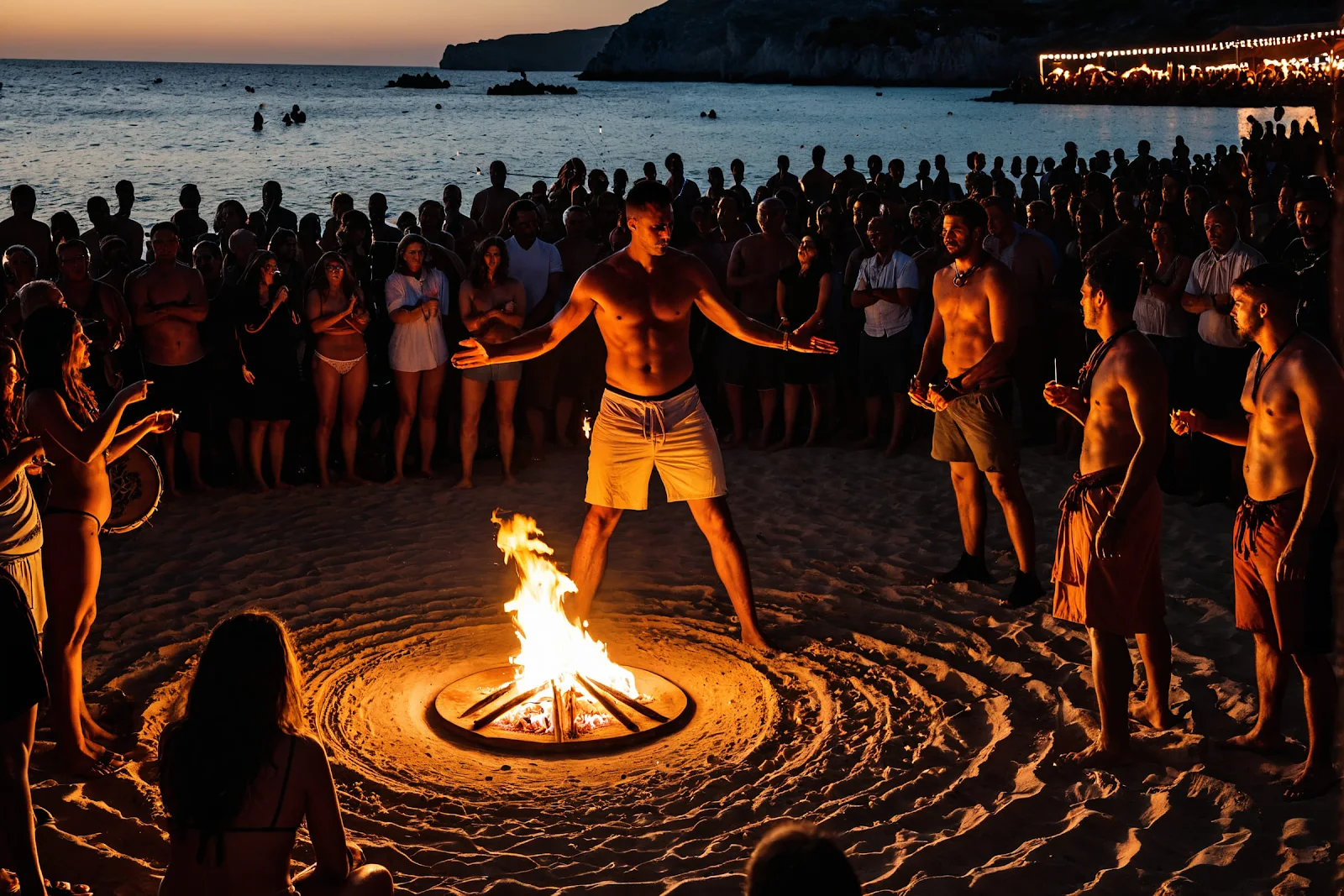
As the day progresses, the light on Ibiza undergoes a dramatic transformation. The "Golden Hour" here is legendary, particularly on the western coast near the mysterious rock of Es Vedrà. As the sun begins its descent, the air seems to thicken with a warm, amber glow that softens the landscape and brings a sense of stillness to the bustling island. This daily ritual of watching the sunset is more than just a tourist activity; it is a communal celebration of the island’s most precious resource. Whether gathered at a beach bar with a chilled drink or standing in silence on a secluded trail, people from all walks of life stop to acknowledge the sun’s departure, knowing that within a few short hours, the cycle of brilliance will begin all over again.
In essence, Ibiza is an island defined by its resilience and its radiance. While it has evolved from a quiet fishing and salt-mining community into a world-class destination, the fundamental attraction remains unchanged. It is the sun that gives the island its energy, its color, and its soul. To visit Ibiza is to step into a world where the light is a constant companion, inviting you to slow down, look closer, and appreciate the extraordinary beauty of a place that truly basks in the favor of the heavens. It is a reminder that in a world of constant change, some things—like the warmth of the Ibizan sun—remain timelessly and spectacularly constant.

No comments:
Post a Comment