Stepping off a plane onto the sun-drenched tarmac of Ibiza is an experience that transcends a simple arrival; it is an induction into a Mediterranean rhythm that has captivated the world for decades. While many recognize this Balearic gem as the global epicenter of electronic music and nightlife, there is a profound, multi-layered narrative unfolding across its pine-covered hills and ancient cobblestones. To truly understand Ibiza is to look beyond the neon lights and delve into the soul of an island that serves as a sanctuary for historians, nature lovers, and seekers of spiritual tranquility alike.
The sheer scale of the island’s popularity is reflected in its logistical prowess. Each summer, the local gateway facilitates a staggering influx of millions of travelers, making it one of the most dynamic transit points in the Mediterranean. This logistical feat is a testament to the island's enduring magnetic pull. However, once you move away from the bustling arrival terminals, the frantic pace of modern travel dissolves into the scent of wild rosemary and the gentle lap of the turquoise sea. The island, affectionately known as the White Isle, offers a masterclass in balancing high-octane energy with deep-rooted tradition.
Historically, Ibiza has been a crossroads of civilizations. Long before it was a destination for the jet-set, it was a vital outpost for the Phoenicians, who established settlements here as early as 654 BC. The fortified upper town, Dalt Vila, stands as a majestic UNESCO World Heritage site, offering a labyrinth of narrow streets that whisper tales of Carthaginian, Roman, and Moorish influence. Walking through the sandstone gates of the citadel, one feels the weight of centuries. The architecture here is a stark contrast to the modern villas that dot the coastline, reminding visitors that Ibiza’s identity is anchored in a resilient and storied past.
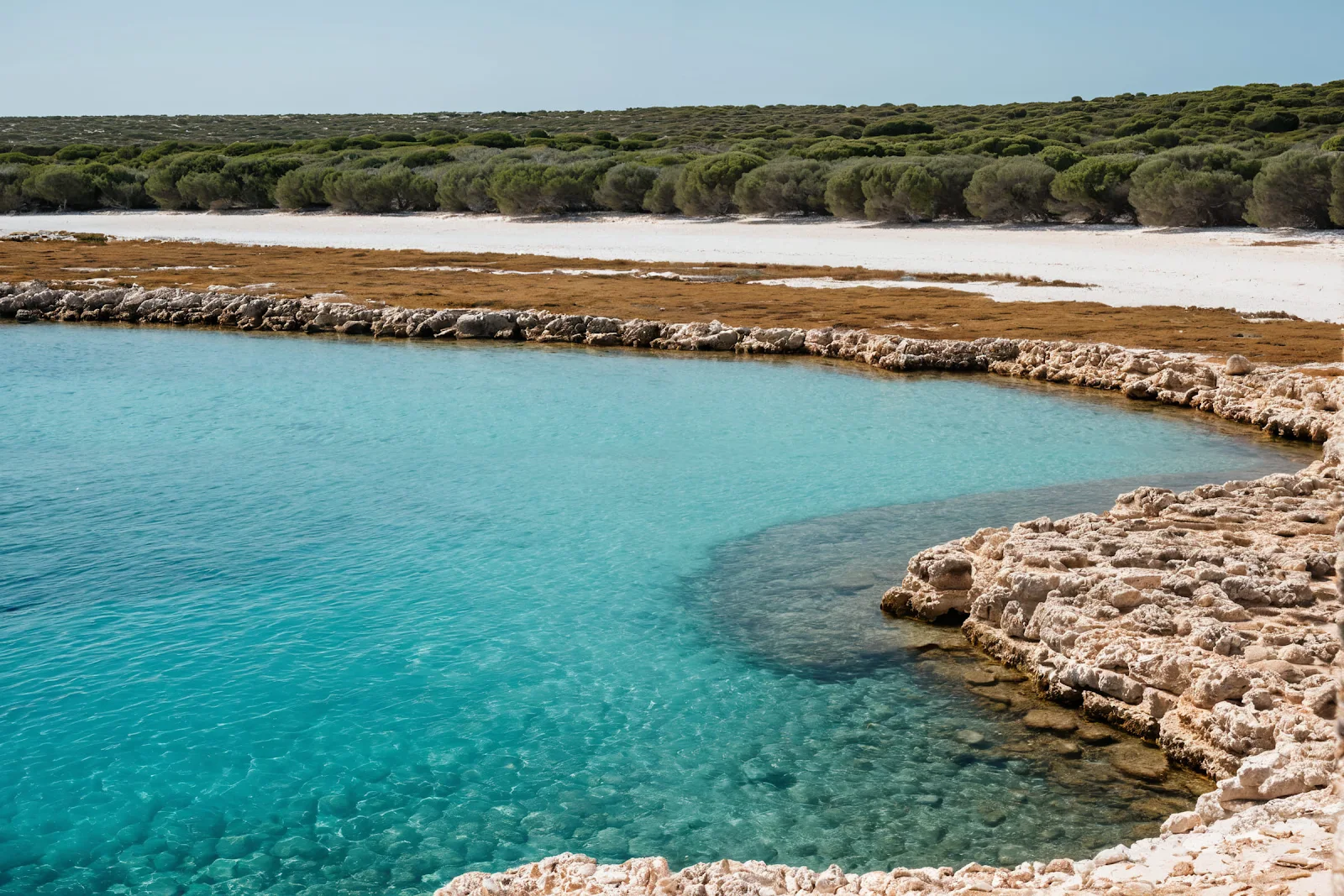
One of the island’s best-kept secrets is its ecological significance. The crystal-clear quality of the water, often compared to the Caribbean, is not a mere coincidence of geography but the result of the Posidonia Oceanica seagrass meadows. These underwater forests, also protected by UNESCO, act as natural filters and carbon sinks, maintaining the health of the marine ecosystem. For the discerning traveler, exploring the Ses Salines Natural Park offers a glimpse into this delicate balance. Here, the salt flats—which have been harvested for over two thousand years—sparkle under the Mediterranean sun, providing a habitat for migratory flamingos and a backdrop of stunning biodiversity.
Further west, the mystical silhouette of Es Vedrà rises dramatically from the sea. This limestone monolith is the subject of countless local legends, with some claiming it is the third most magnetic point on Earth. Whether or not you subscribe to the myths of sirens and lost cities, the visual impact of the rock at sunset is undeniable. It represents the untamed, spiritual side of Ibiza that first attracted the hippies in the 1960s. That bohemian spirit hasn't vanished; it has evolved into a sophisticated "barefoot luxury" culture that emphasizes wellness, organic farming, and a return to the land through the island’s famous agroturismo estates.
The culinary landscape of the island is another area where tradition and innovation collide beautifully. While world-class chefs have opened outposts in Ibiza Town and San Antonio, the heart of Ibicenco gastronomy remains in its rural fincas. Dishes like Bullit de Peix—a rich fish stew traditionally served with arroz a banda—showcase the bounty of the surrounding waters. The use of local almonds, honey, and citrus fruits in desserts like Flaó (a medieval-style cheesecake with mint) offers a taste of the island’s agricultural heritage. This commitment to local sourcing is not a modern trend here; it is a way of life that has sustained the population for generations.
As the island looks toward the future, the focus has shifted significantly toward sustainability and the preservation of its unique character. Managing the massive volume of summer visitors requires a sophisticated infrastructure that respects the island's finite resources. There is a growing movement among locals and residents to protect the "Ibicenco way of life" from the pressures of over-commercialization. This involves everything from banning single-use plastics to promoting eco-conscious tourism that encourages visitors to explore the island during the quiet, blossom-filled months of spring or the golden, mild days of autumn.
Ultimately, Ibiza’s magic lies in its ability to be whatever the visitor needs it to be. It can be a place of exuberant celebration, a retreat for silent meditation, or a classroom for ancient history. It is an island of contrasts, where the roar of jet engines eventually gives way to the rhythmic song of cicadas. For those who take the time to look beyond the surface, Ibiza reveals itself as a place of profound beauty and cultural depth, a Mediterranean treasure that continues to reinvent itself while remaining fiercely proud of its heritage. It is no wonder that year after year, millions of people find themselves drawn back to its shores, seeking that unmistakable Ibicenco spark that stays with you long after the journey home.

No comments:
Post a Comment