Flamingos, Fincas, and Fun: Uncovering the Magical Heart of Ibiza’s White Isle!

Stepping onto the sun-drenched shores of Ibiza is an experience that transcends the typical Mediterranean getaway. Often referred to as the "White Isle" because of its iconic lime-washed architecture and the brilliant reflection of the sun against its rugged coastline, Ibiza possesses a magnetic quality that has drawn seekers, artists, and historians for millennia. While it is globally celebrated for its contemporary music scene, the true soul of the island lies in its ancient rhythms, its biological wonders, and a unique atmosphere that balances high-octane energy with a deep, ancestral stillness.

CAI ibiza online.blogspot 00424

One cannot truly understand the allure of Ibiza without acknowledging the profound impact of its natural environment. The island is blessed with an extraordinary clarity of light, a quality that has made it a sanctuary for painters and photographers for decades. This luminosity is amplified by the surrounding Balearic Sea, which boasts some of the clearest waters in the world. This transparency is not a mere stroke of luck but the result of a biological miracle: the Posidonia oceanica. This ancient seagrass, a UNESCO World Heritage site, forms vast underwater meadows that act as a natural filtration system. By oxygenating the water and trapping sediment, these "lungs of the Mediterranean" ensure that the coastline remains a shimmering turquoise, providing a habitat for a diverse array of marine life that thrives far beneath the surface.

The history of Ibiza is a rich tapestry woven with the threads of diverse civilizations. Long before it became a hub for modern travelers, it was a vital strategic outpost for the Phoenicians, who founded a settlement at Sa Caleta as early as 654 BC. The island was dedicated to Tanit, the Punic goddess of fertility and the moon, whose influence is still felt in the local folklore and the spiritual undercurrents that define the island’s interior. Wandering through the cobbled streets of Dalt Vila, the fortified old town of Ibiza City, one can feel the weight of this history. Its massive Renaissance walls, designed to ward off pirates and invaders, now protect a labyrinth of secrets, from hidden courtyards to ancient chapels that overlook the bustling harbor below.

Beyond the historic fortifications, the Ibizan countryside, or "campo," offers a masterclass in sustainable and aesthetic living. The traditional white fincas—sturdy, thick-walled farmhouses—are masterpieces of bioclimatic architecture. Designed to keep residents cool in the height of summer and warm during the mild winters, these structures represent a harmony between humanity and the landscape. In the northern reaches of the island, such as San Juan and Santa Gertrudis, the pace of life slows significantly. Here, the air is thick with the scent of pine forests, almond blossoms, and wild rosemary. The red, fertile earth yields an abundance of produce that forms the backbone of the island’s burgeoning "slow food" movement, where farm-to-table dining is not a trend but a centuries-old way of life.

The 1960s and 70s marked a pivotal era in Ibiza's cultural evolution, as the island became a refuge for the "hippie" movement. This influx of creative spirits, fleeing the rigid structures of post-war Europe and America, found in Ibiza a place of total freedom. This era birthed the "Adlib" fashion style—characterized by its motto "dress as you like, but with style"—and established the famous artisanal markets that still thrive today. This legacy of tolerance and Bohemian expression remains the bedrock of the island's identity. It created a unique social ecosystem where traditional islanders and international avant-garde thinkers lived side-by-side, fostering a spirit of radical acceptance that is rarely found elsewhere.

Ecologically, the island is far more than just a beach destination. The Ses Salines Natural Park, stretching between southern Ibiza and neighboring Formentera, is a testament to the island's environmental importance. These ancient salt pans have been in use for over 2,000 years, once known as the "white gold" of the Mediterranean. Today, they serve as a vital migratory stop for flamingos and other rare bird species. The sight of hundreds of pink flamingos wading through the shimmering salt flats at sunset is a powerful reminder of the island’s raw, natural beauty, standing in stark contrast to the neon lights of the southern resorts.

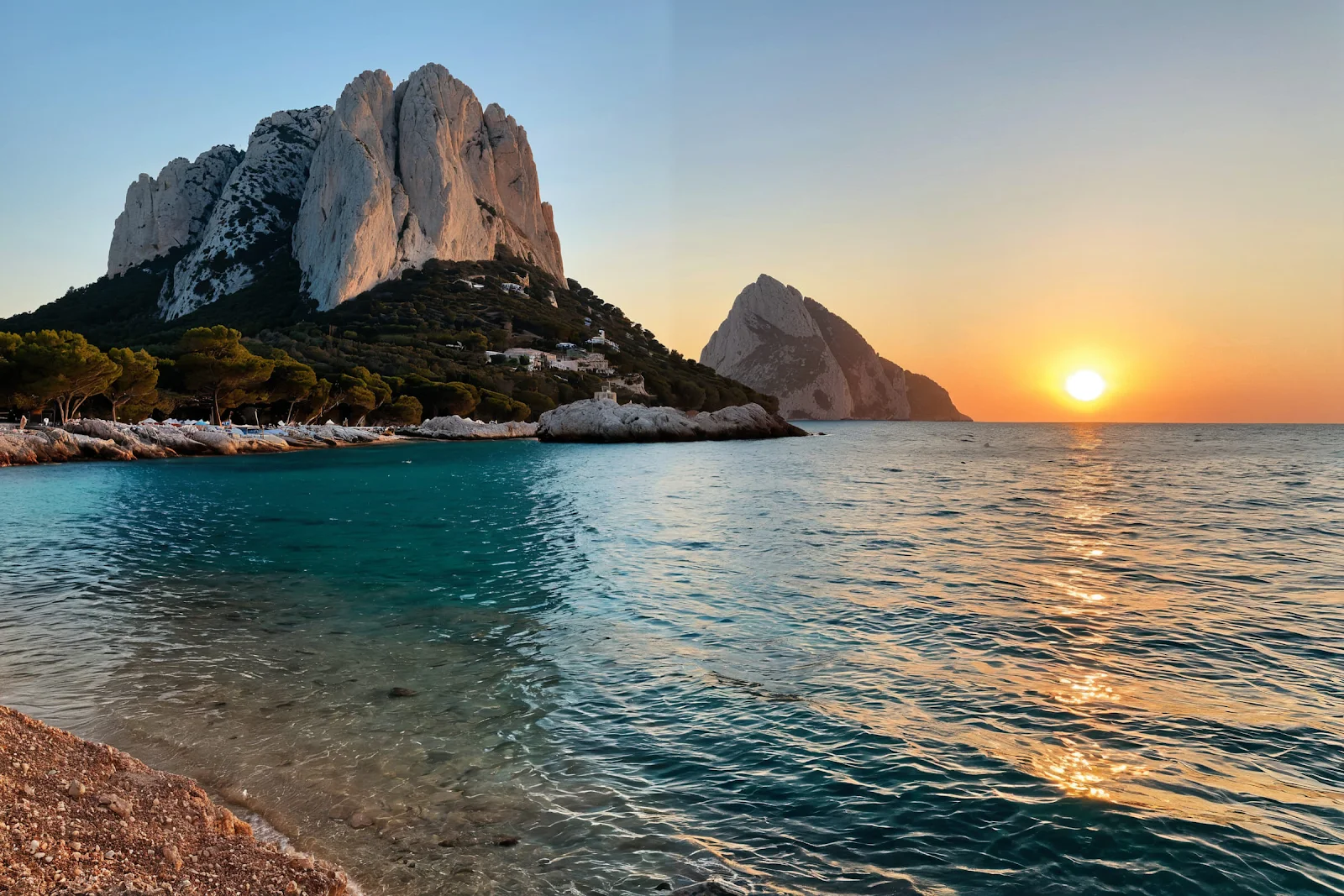
Ultimately, what makes Ibiza so enduringly popular is its ability to offer a "choose your own adventure" experience. You can find yourself dancing until dawn in a world-class venue, or you can find absolute solitude on a rocky outcrop overlooking the mysterious limestone monolith of Es Vedrà. This legendary rock, shrouded in myths of sirens and magnetic anomalies, is said to be the third most magnetic point on Earth. Whether or not one believes the legends, there is no denying the profound sense of peace that descends as the sun sinks below the horizon, painting the sky in hues of violet and gold. Ibiza is not just a place on a map; it is a feeling of liberation, a celebration of nature, and a timeless sanctuary for the soul.

From Dance Floors to Yoga Mats: Discover Ibiza’s Soulful and Sun-Kissed New Glow Up

Ibiza is undergoing a breathtaking transformation that is capturing the hearts of conscious travelers from every corner of the globe. Long celebrated for its legendary nightlife and vibrant energy, the White Isle is now stepping into a magnificent new spotlight as a premier sanctuary for wellness, mindfulness, and holistic living. This shift is much more than just a passing trend; it is a beautiful return to the island’s authentic roots, where the raw, natural beauty of the Mediterranean meets a profound sense of inner peace and rejuvenation.

CAI ibiza online.blogspot 00422

Imagine waking up to the gentle, rhythmic sound of the turquoise waves, followed by an invigorating sunrise yoga session on a secluded red-rock cliffside. The energy of the island is absolutely palpable, especially when you are near the mystical and majestic rock of Es Vedrà, which many locals and visitors alike believe to be one of the most magnetic and spiritual points on the planet. From forest bathing in the fragrant, ancient pine groves to deep meditation sessions held in hidden, crystalline coves, Ibiza offers a spiritual playground for anyone looking to disconnect from the frantic digital world and reconnect with their own true spirit.

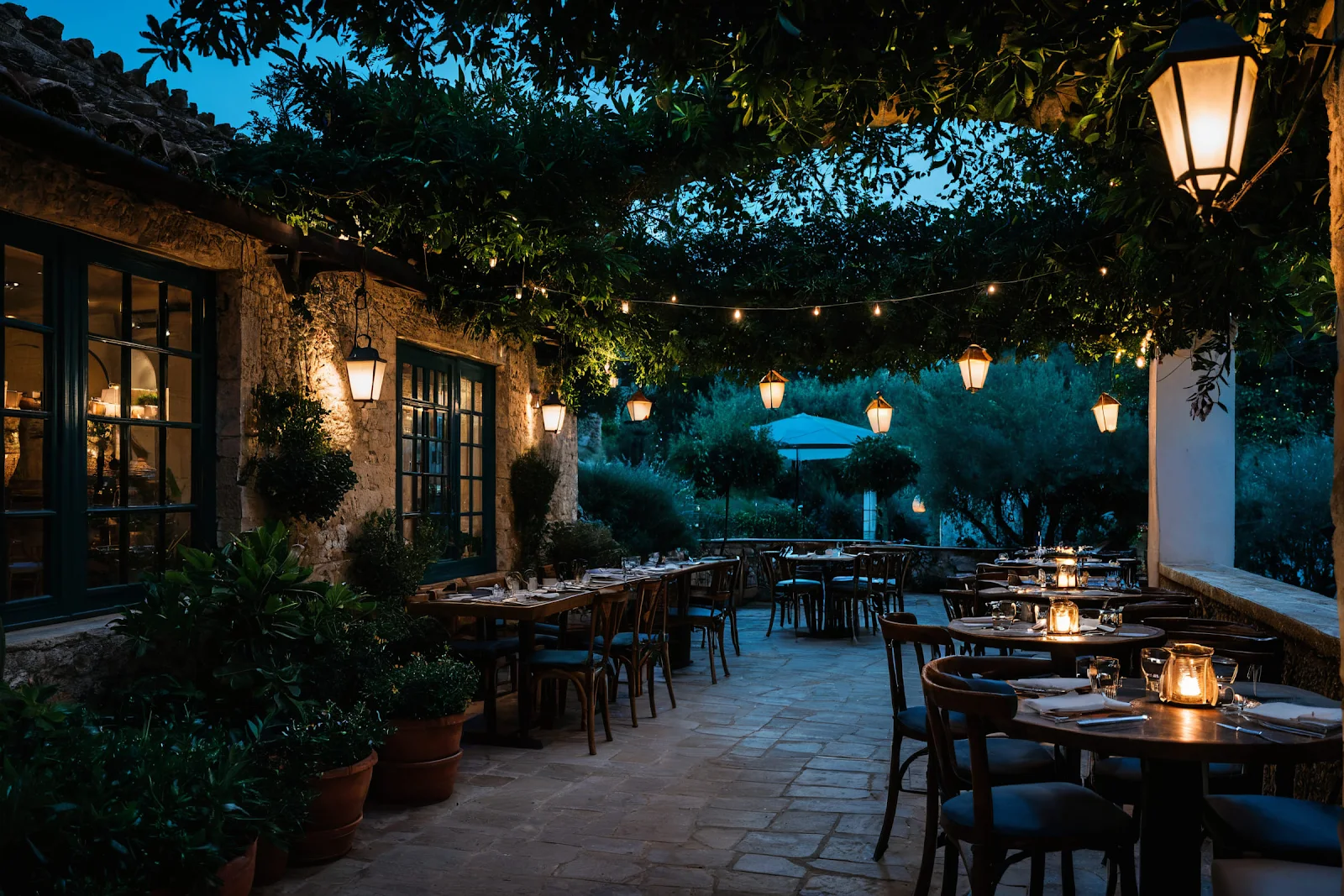
The culinary landscape of the island is equally revolutionary and exciting. Ibiza has quickly blossomed into a vibrant hub for plant-based innovation, moving far beyond simple greens to offer world-class vegan and vegetarian fine dining. Local chefs are working in perfect harmony with the island’s rich, fertile soil, sourcing sun-ripened organic produce from traditional family-run fincas to create dishes that are as visually stunning as they are life-giving. Whether you are sipping a cold-pressed green juice at a bohemian beach shack or enjoying a multi-course botanical feast under the sparkling stars, the focus is always on vitality, sustainability, and incredible flavor.

Mindfulness is now woven into the very fabric of this new era of Ibizan culture. It is found in the slow, intentional pace of the quiet northern villages, the artisan markets filled with handcrafted treasures, and the high-end sustainable retreats that prioritize ecological balance. Travelers are no longer just visiting Ibiza for a quick weekend; they are coming for transformative, life-changing experiences that nourish the body, mind, and soul. This is a place where you can truly breathe, heal, and rediscover your joy in one of the most spectacular settings imaginable.

The evolution of Ibiza into a haven for wellness and plant-forward living is a warm invitation to experience the island in its purest, most vibrant form. It is a celebration of life, health, and the environment. Whether you are a seasoned yogi or simply someone seeking a more meaningful and mindful escape, the modern spirit of Ibiza promises a journey that will leave you feeling refreshed, balanced, and deeply inspired for years to come.

Hello Sunshine Discover the Radiant Magic and Golden Vibes of the White Isle

CAI ibiza online.blogspot 00422

Ibiza is often defined by its pulse—the rhythmic beat of world-class clubs and the vibrant energy of its summer crowds. However, beneath the surface of its high-octane reputation lies a constant, golden presence that has dictated the island’s soul for millennia: the sun. With over 3,000 hours of light bathing its pine-covered hills and limestone cliffs annually, the White Isle serves as one of Europe’s most reliable sanctuaries for those seeking the warmth of the Mediterranean. This abundance of light does more than just tan the skin of vacationers; it shapes the very architecture, ecology, and psychology of the island, creating a destination that feels perpetually alive, even in the quietest depths of winter.

Geographically positioned in a sweet spot of the Balearic Sea, Ibiza benefits from a unique microclimate influenced by its proximity to the African coast and the stabilizing thermal mass of the Mediterranean. While mainland Europe might grapple with the grey transitions of autumn and spring, Ibiza remains stubbornly bright. This meteorological phenomenon is the result of high-pressure systems that frequently settle over the archipelago, pushing clouds aside and allowing the intense ultraviolet rays to illuminate the landscape with a clarity that is rare in more northern latitudes. For the traveler, this means that even a visit in November or February can yield days warm enough for a t-shirt, turning the island into a year-round refuge for solar seekers.

The traditional Ibicenco architecture, known for its stark, cubic forms and brilliant white facades, is a direct response to this relentless solar gift. Historically, the local "fincas" were constructed with thick stone walls and coated in "cal" (lime) to reflect the sun’s heat and keep the interiors cool during the peak of August. These structures were never merely dwellings; they were masterclasses in passive climate control. The way the sunlight hits these white surfaces creates a high-contrast aesthetic that has inspired architects from around the world, including luminaries like Le Corbusier. The interplay of shadow and light on a white-washed wall at midday is a quintessential Ibiza sight, providing a visual serenity that balances the island’s more chaotic elements.

One cannot discuss the sunshine of Ibiza without mentioning its impact on the surrounding sea. The clarity of the water, often compared to the Caribbean, is largely due to the Posidonia Oceanica seagrass meadows, a UNESCO World Heritage site. These underwater forests thrive on the intense sunlight filtering through the depths, oxygenating the water and acting as a natural filtration system. When the sun is at its zenith, the light penetrates the turquoise shallows of Cala Conta or Formentera, revealing a spectrum of blues that seems almost surreal. This clarity is a direct result of the synergy between the solar energy and the delicate marine ecosystem, making the island a premier destination for divers and snorkelers who rely on that piercing visibility.

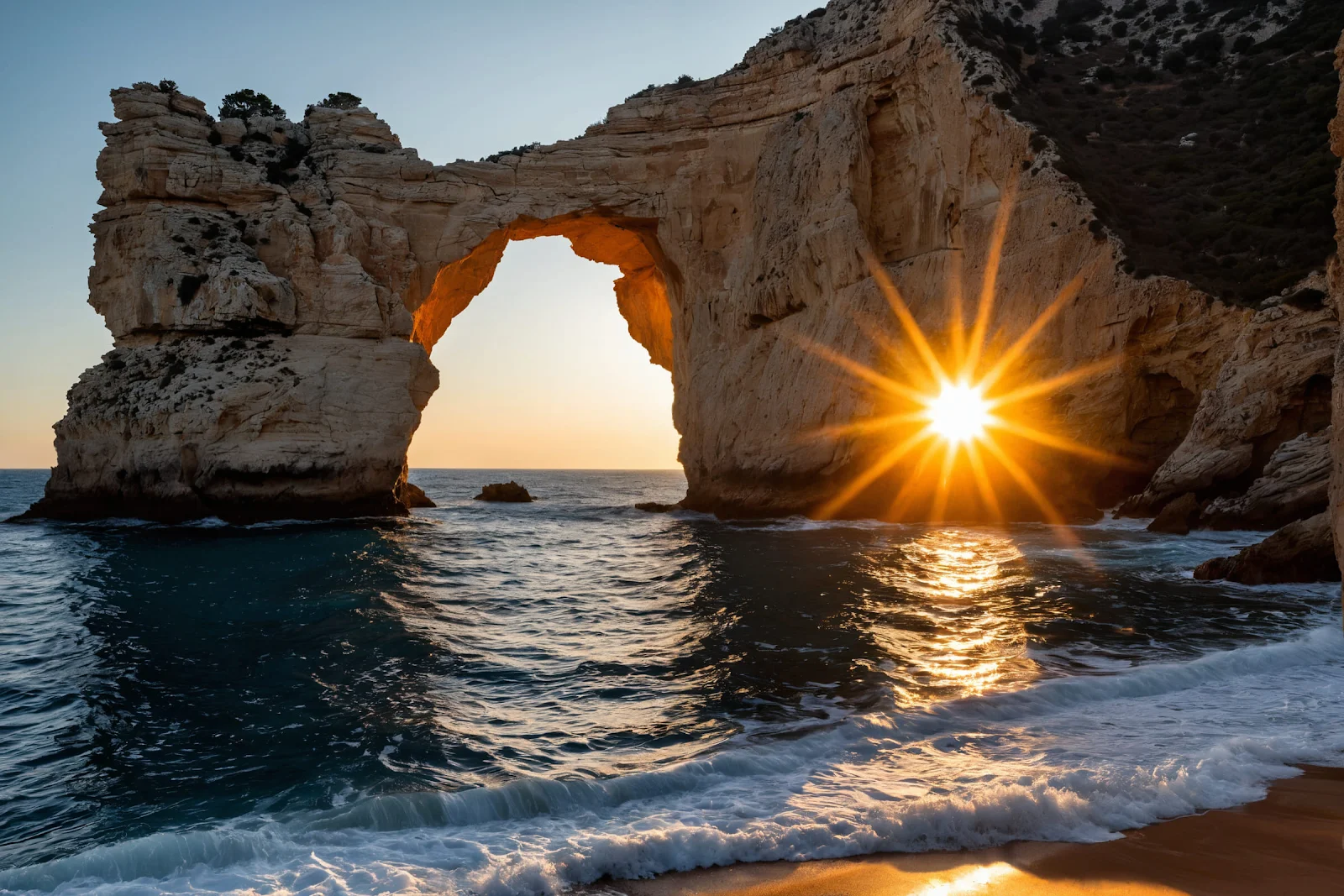
Beyond the physical, there is a spiritual quality to the light in Ibiza that has long acted as a magnet for the creative community. Artists, writers, and photographers have flocked to the island since the 1930s, drawn by the "golden hour"—that fleeting moment before sunset when the air seems to turn to liquid gold. The western coast, particularly around the mystical rock of Es Vedrà, offers some of the most spectacular sunsets in the world. This daily ritual of watching the sun dip below the horizon is not just a tourist activity; it is a communal experience that centers the island’s inhabitants, reminding them of the natural cycles that preceded the modern tourism boom. The light here is not just a weather condition; it is a medium that colors every memory made on the island.

The agricultural heritage of the island is equally indebted to its sunny disposition. The red, iron-rich soil of the interior, particularly in the San Mateo valley, produces robust grapes and olives that are packed with flavor, concentrated by the long growing season. The island’s "Vino de la Tierra" and its liquid gold—extra virgin olive oil—are products of a landscape that rarely knows a hard frost. Even the salt flats of Las Salinas, which have been harvested for over two thousand years, rely on the sun’s heat to evaporate the seawater, leaving behind the precious "Fleur de Sel." This historical industry was once the primary driver of the island's economy, proving that long before the DJs arrived, the sun was already the provider of Ibiza’s wealth.

In recent years, a shift has occurred in how visitors consume the Ibicenco sun. The rise of wellness tourism has moved the focus from late-night revelry to early-morning vitality. Yoga retreats and hiking expeditions now capitalize on the rejuvenating power of a sunrise over the eastern cliffs of Santa Eulària. There is a growing understanding that the Vitamin D and the sheer psychological lift provided by the island’s climate are essential components of the Ibiza experience. This evolution reflects a deeper appreciation for the island as a place of healing and restoration, where the natural environment offers a potent antidote to the stresses of modern urban life.

Ultimately, to understand Ibiza is to understand its relationship with the light. Whether it is reflecting off the ancient stone walls of Dalt Vila, illuminating the intricate patterns of the seabed, or ripening the citrus groves of the north, the sun is the silent protagonist of the island’s story. It provides a sense of constancy in a place known for its rapid changes and seasonal swings. For those who return year after year, it is often this reliable radiance that draws them back—a promise of warmth, a clarity of vision, and the simple, profound joy of standing in the center of a world that refuses to be anything but bright. It is this luminous character that ensures Ibiza remains not just a summer destination, but a permanent beacon of the Mediterranean lifestyle.

Swap the Disco for the Detox: Ibiza’s Playful New Path to Soulful Bliss!

Forget everything you thought you knew about the White Isle. While Ibiza's pulse has long been defined by the high-energy beat of the dance floor, a soulful new rhythm is taking over the island. It is the gentle sound of the Mediterranean breeze, the quiet rustle of ancient olive trees, and the deep, restorative exhale of a sunrise yoga session. Ibiza is rapidly transforming into the ultimate sanctuary for those seeking a profound connection with themselves and the natural world.

CAI ibiza online.blogspot 00426

This transformation is nothing short of magical. Beyond the world-famous nightlife lies a landscape of rolling hills and hidden, turquoise coves that seem perfectly designed for introspection. Mindfulness has become the island's newest headline act. From silent meditation retreats tucked away in traditional white-washed "fincas" to holistic workshops led by world-class healers, the island offers a spiritual playground like no other. You can start your morning with a guided hike through scented pine forests and conclude your day with a transformative sound bath under a canopy of stars. It’s all about slowing down and soaking in the natural splendor that has always defined this Mediterranean gem, now celebrated with a fresh and vibrant perspective.

The shift isn't just about movement; it’s about what we put into our bodies. Ibiza’s culinary scene is currently undergoing a massive green revolution. The island is bursting with innovative plant-based restaurants that prove vegan dining is a sophisticated art form. Imagine vibrant, nutrient-dense bowls topped with local exotic fruits, artisanal cashew-based cheeses that rival any traditional dairy, and farm-to-table dishes that celebrate the incredible richness of the Balearic soil. Many of these culinary hotspots focus on hyper-local sustainability, sourcing ingredients from organic gardens located just a few miles from your table. Whether you are a lifelong vegan or simply a curious foodie, the creativity on display is enough to ignite the senses. It is fresh, it is bold, and it is incredibly nourishing.

This movement towards wellness is deeply rooted in the island's unique environmental heritage. The crystal-clear waters, famously protected by vast underwater seagrass meadows, serve as a constant reminder of the delicate balance of our ecosystem. By embracing a plant-based lifestyle and mindful practices, visitors are learning to honor the island’s natural gifts. It’s a holistic approach where personal well-being and environmental health go hand-in-hand. You aren't just visiting a destination; you are recharging your soul in total harmony with an ancient, thriving landscape.

If you are searching for a getaway that leaves you feeling more energized and inspired than when you arrived, it is time to rediscover the White Isle. This is the Ibiza of the future—a haven for wellness enthusiasts, a paradise for plant-based lovers, and a peaceful sanctuary for the mindful soul. Pack your yoga mat and your appetite for adventure, because a world of tranquility, health, and incredible flavor is waiting for you!

Ibiza’s Secret Underwater Superstars Meet the Ancient Green Giants Keeping Our Oceans Sparkly

Beneath the shimmering, turquoise surface of the Mediterranean Sea that surrounds the islands of Ibiza and Formentera lies a silent, ancient, and incredibly vital ecosystem that rivals the great rainforests of the world in ecological importance. While most visitors are drawn to the White Isle for its sun-drenched beaches and vibrant nightlife, the true soul of the island’s natural beauty is anchored to the seabed. These are the vast underwater meadows of Posidonia oceanica, a seagrass species endemic to the Mediterranean and a cornerstone of the region’s marine health. Recognized as a UNESCO World Heritage site since 1999, these meadows represent one of the oldest living organisms on our planet, forming a biological legacy that stretches back over 100,000 years.

CAI ibiza online.blogspot 00426

To understand the significance of Posidonia oceanica, one must first distinguish it from common seaweed. Unlike algae, Posidonia is a sophisticated flowering plant that evolved from terrestrial ancestors that migrated back into the ocean millions of years ago. It possesses roots, stems, leaves, and even produces flowers and fruit. These underwater forests serve as the lungs of the Mediterranean, exhaling massive amounts of oxygen into the water. In fact, a single square meter of Posidonia can produce up to 14 to 20 liters of oxygen every day, supporting a staggering diversity of marine life. This oxygenation is essential for the survival of countless species of fish, crustaceans, and mollusks that call these meadows home, using the dense foliage as a nursery and a sanctuary from predators.

The visual clarity of Ibiza’s waters, which is often compared to the Caribbean, is not a mere coincidence of geography; it is a direct result of the tireless filtration work performed by these seagrass meadows. The long, ribbon-like leaves of the Posidonia act as a natural filter, trapping suspended particles and sediment, which then settle at the base of the plants. This process keeps the water extraordinarily transparent, allowing sunlight to penetrate deeper into the ocean and fueling further photosynthesis. Without these meadows, the iconic crystal-clear coves of Ibiza would likely become murky and lose the vibrant hues that have made the island a global destination for divers and nature enthusiasts.

Beyond their role in water purification and oxygen production, these seagrass beds are masters of coastal protection. The dense mats formed by the roots and rhizomes, known as "mattes," create a sturdy underwater barrier that stabilizes the seabed. During the winter months, when the Mediterranean experiences more turbulent weather, the Posidonia leaves help dissipate the energy of the waves before they reach the shore. Even when the leaves die and wash up on the beaches, they serve a crucial purpose. These brown, dried mounds of seagrass—often misunderstood by beachgoers—act as a natural buffer against coastal erosion, protecting the delicate sands of Ibiza’s beaches from being swept away by winter storms. They are the unsung architects of the island's coastline.

In the context of modern environmental science, the Posidonia meadows are garnering international attention for their role in mitigating climate change through "Blue Carbon" sequestration. These ecosystems are incredibly efficient at capturing and storing carbon dioxide from the atmosphere. While terrestrial forests store carbon for decades or centuries, the carbon sequestered by Posidonia meadows can remain trapped in the sedimentary mattes for millennia. Research suggests that these Mediterranean meadows can store more carbon per hectare than tropical rainforests, making their preservation a critical component of global efforts to combat the greenhouse effect. They are, quite literally, a carbon sink of ancient proportions.

Despite their resilience over tens of thousands of years, these meadows face unprecedented threats in the modern era. The delicate balance of the Posidonia ecosystem is highly sensitive to changes in water quality, temperature, and physical disturbance. One of the most significant challenges comes from mechanical damage caused by boat anchors. When a heavy anchor is dropped into a meadow and subsequently dragged, it can uproot plants that have taken centuries to grow. Because Posidonia grows at an exceptionally slow rate—only about one to three centimeters per year—the damage caused in a single afternoon can take decades or even centuries to repair. This has led to the implementation of strict anchoring regulations and the installation of ecological mooring buoys around Ibiza and Formentera to safeguard this irreplaceable heritage.

Local conservation efforts and awareness campaigns, such as the "Save Posidonia Project," have been instrumental in educating the public about the importance of these underwater meadows. By integrating scientific research with community engagement, the Balearic Islands are setting a global standard for marine conservation. Protecting the Posidonia is not just about preserving a plant; it is about protecting the entire biological engine of the Mediterranean. It is a commitment to ensuring that future generations can witness the same vibrant, life-sustaining waters that have defined the Mediterranean experience since the dawn of civilization.

As we look to the future, the continued health of Ibiza's underwater meadows serves as a barometer for the overall health of our oceans. These ancient green cathedrals remind us of the profound interconnectedness of all living systems. To swim above a meadow of Posidonia is to hover over a living history book, a witness to the enduring power of nature. By valuing this hidden treasure as much as the island's more visible charms, we acknowledge that the true wealth of Ibiza lies not in its social calendar, but in the deep, rhythmic pulse of its ancient blue heart.

Trade Your Hangover for High Tech Health at Ibizas New Mediterranean Fountain of Youth

Ibiza has long been the pulse of the Mediterranean, a place where the sun, the sea, and the spirits dance in perfect harmony. But beyond the legendary beats and the crystalline waters of the Balearics, a new kind of magic is taking root. The White Isle is evolving, shifting its focus from the transient thrills of the night to the enduring power of life itself. At the heart of this transformation is a spectacular sanctuary that has just unveiled a revolutionary approach to well-being, focusing on the ultimate luxury: longevity.

CAI ibiza online.blogspot 00427

Imagine a place where science meets serenity. This isn't your average hotel spa with a simple steam room and a generic massage menu. This is a high-performance temple dedicated to the art of living better and longer. By blending cutting-edge biohacking technologies with the soulful essence of Mediterranean relaxation, this destination is setting a new gold standard for global wellness. It is a space designed for those who want to optimize their physical health while soaking in the magnetic energy that only Ibiza can provide.

The newly reimagined facilities offer a breathtaking array of treatments that sound like they have been plucked from the future. We are talking about regenerative therapies, intravenous infusions tailored to your body's specific needs, and advanced diagnostic tools that look deep into your biological makeup. Whether you are looking to boost your cellular energy, enhance your cognitive function, or simply hit the reset button on your entire system, the focus here is on measurable results. It is about fine-tuning the human machine in an environment that feels like pure paradise.

Of course, the high-tech elements are perfectly balanced by the natural beauty of the surroundings. The air is filled with the scent of pine and salt, and the light is that golden, ethereal glow that artists have chased for centuries. Between sessions of cryotherapy or infrared sauna, guests can find peace in beautifully designed relaxation areas that blur the lines between the indoors and the stunning island landscape. The service is impeccable, ensuring that every guest feels like royalty on a mission to reclaim their vitality.

This is more than just a getaway; it is an investment in your future self. In a world that moves too fast, this corner of Ibiza offers a chance to slow down, look inward, and emerge stronger than ever. The focus on longevity proves that the island is no longer just a playground for the young, but a sanctuary for the wise who understand that health is the greatest wealth. If you are ready to rewrite your own story and unlock a more vibrant version of yourself, the Mediterranean's most exciting wellness revolution is waiting for you.

Ancient Gods and Epic Beats: Why Ibiza Has Been Partying Since 654 BC!

Stepping onto the sun-drenched shores of Ibiza today, it is easy to be swept up in the modern whirlwind of world-class gastronomy and the rhythmic pulse of global electronic music. Yet, beneath the glamour of its contemporary identity lies a profound, ancient soul that has been vibrating for over two and a half millennia. To truly understand the magic of this Mediterranean jewel, one must peel back the layers of history to the year 654 BC, when Phoenician settlers first looked upon its jagged coastline and recognized something sacred. They christened it Ibossim, a name dedicated to Bes, the ancient deity of music, dance, and domestic protection. In doing so, they didn't just found a colony; they established a sanctuary that would remain a beacon of creative and spiritual energy through the ages.

CAI ibiza online.blogspot 00427

The choice of Bes as the island’s patron was no historical accident. Unlike the lofty, distant gods of the Greek or Roman pantheons, Bes was a relatable, spirited figure—a dwarf god often depicted with a jovial yet fierce expression, tasked with warding off evil spirits through the power of joy. He was the protector of children and the patron of the arts, particularly music and movement. There is a beautiful, almost prophetic irony in the fact that an island dedicated to the god of dance thousands of years ago has evolved into the world’s most iconic destination for the same pursuit. The Phoenicians believed the very earth of Ibiza was blessed because it lacked venomous snakes, a phenomenon they attributed to Bes’s protective influence. This ancient belief fostered a reputation for the island as a place of healing and safety, a "holy ground" where one could escape the perils of the mainland.

As the Phoenician influence expanded into the Carthaginian era, Ibossim became a vital maritime hub. The island’s wealth was built on "white gold"—the vast salt flats of Ses Salines. These shimmering lagoons, which still exist as a protected UNESCO World Heritage site, were a cornerstone of the ancient economy. Salt was the preservative of the ancient world, and Ibiza’s salt was considered among the finest. This period also saw the rise of the cult of Tanit, the Punic goddess of fertility and the moon. Tanit’s presence is still felt today in the island’s folklore and the numerous votive offerings found in the cave of Es Culleram. The synthesis of Bes’s protective joy and Tanit’s lunar mystery created a cultural tapestry that is uniquely Ibicenco—a blend of earthy hedonism and ethereal spirituality.

The architectural landscape of the island further reflects this ancient resilience. The traditional "finca" or farmhouse is a masterpiece of functional design that has remained virtually unchanged for centuries. These cubic, whitewashed structures were built with thick stone walls to keep the interiors cool under the fierce Mediterranean sun and small windows to defend against pirate raids. Their minimalist aesthetic served as a direct inspiration for modern masters like Le Corbusier, who found in the simple geometry of Ibiza a blueprint for architectural purity. To walk through the rural heart of the island today is to witness a living museum where the landscape—dotted with almond trees, ancient olive groves, and carob trees—looks much as it did when the Romans renamed the island Ebusus.

Beyond the tangible ruins and salt flats, the island possesses a magnetic allure that has attracted seekers of all kinds. At the southwestern tip stands the majestic limestone monolith of Es Vedrà. Rising nearly 400 meters sheer from the sea, it is said to be one of the most magnetic points on Earth. Legends shroud the rock; some claim it was the home of the sirens who attempted to lure Odysseus, while others believe it is a remnant of the lost city of Atlantis. Whether one believes the myths or not, the palpable energy at the cliffs of Cala d’Hort during sunset is undeniable. It is this "X-factor"—a mixture of geological uniqueness and historical mystery—that transformed Ibiza from a quiet agricultural outpost into a haven for the 1960s counter-culture movement, which eventually paved the way for the island's modern status.

The cultural continuity of the island is perhaps best exemplified by the "Ball Pagès," the traditional folk dance of the Ibicenco people. In this ritualistic display, the dancers move in circles, the women wearing elaborate "emprendades" (intricate gold and silver jewelry) and flowing dresses, while the men perform acrobatic leaps to the beat of a goatskin drum and the resonance of oversized castanets. The dance is hieratic and disciplined, a stark contrast to the modern club scene, yet it shares the same fundamental root: the use of rhythm and movement to connect with the community and the divine. It is a living link to the Phoenician past, a tribute to the god Bes that has survived through Roman conquest, Moorish rule, and the onset of mass tourism.

To visit Ibiza with an awareness of its "Ibossim" roots is to experience the island in high definition. You begin to see that the vibrant nightlife is not a modern anomaly, but a continuation of an ancient tradition of celebration. You realize that the island’s commitment to environmental preservation—protecting the Posidonia oceanica seagrass meadows that give the water its crystalline clarity—is a modern form of the ancient reverence for its unique nature. Ibiza remains a sanctuary, a place where the air feels lighter and the spirit feels freer. It is an island that has mastered the art of transformation while holding firmly to its core identity, proving that even in a rapidly changing world, the legacy of music, protection, and joy is eternal.