Stepping onto the sun-drenched shores of Ibiza is more than just a Mediterranean getaway; it is a journey into a vibrant tapestry of history that stretches back through the millennia. While many modern travelers associate this Balearic jewel primarily with its world-class nightlife and crystalline coves, the true essence of the island lies in a legacy that predates modern civilization. To understand the magnetic pull of the "White Isle," one must look back to 654 BC, when Phoenician settlers first navigated their vessels into its natural harbors and christened the land Ibossim. This was not a name chosen at random, but a sacred dedication to Bes, the ancient deity of music, dance, and protection. It is a profound historical irony—or perhaps a destiny—that an island dedicated to a god of celebration over two thousand years ago remains the global epicenter of rhythmic expression today.
The choice of Bes as the island’s patron reflects the sophisticated cultural synthesis of the Phoenicians. Bes was a complex figure, often depicted as a jovial, bearded dwarf who warded off evil spirits with his laughter and music. He was the protector of the home, the guardian of mothers and children, and a symbol of the joy found in the present moment. In ancient times, Ibiza was regarded as a "holy island" because its soil was believed to be free of venomous creatures—a phenomenon the Phoenicians attributed to the protective influence of Bes. This reputation for safety and sanctity made Ibossim a vital hub in the ancient world, a place where traders from across the Mediterranean could find both refuge and prosperity.
The Phoenician influence remains etched into the very topography of the island. Beyond the naming of the land, these master navigators established the salt flats of Ses Salines, which are still in operation today. For centuries, this "white gold" was the backbone of the island's economy, attracting empires and merchants alike. The meticulous preservation of the salt marshes serves as a living museum, offering a glimpse into the industrial ingenuity of a civilization that saw the potential in the island’s natural resources. Walking through the shimmering flats at sunset, one can almost hear the echoes of the ancient laborers who understood that the island’s wealth was not just in its beauty, but in its ability to sustain and trade with the wider world.
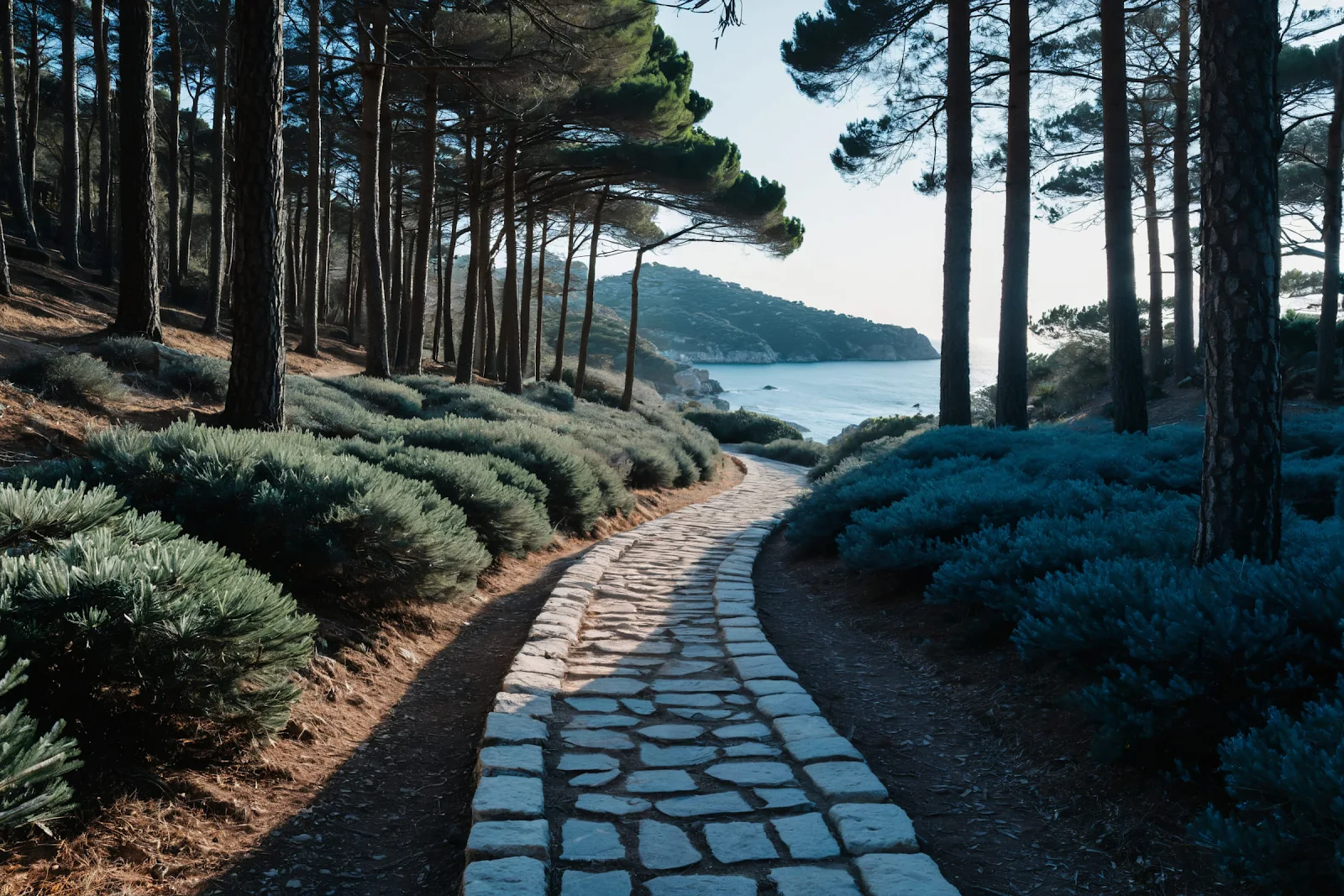
As the centuries progressed, Ibiza became a melting pot of cultures, each leaving an indelible mark on its soul. From the Romans, who appreciated its strategic location, to the Moors, who introduced advanced irrigation techniques and the distinctive cubic architecture of the white-washed "fincas," the island evolved into a bastion of resilience. The architecture of the rural interior is a testament to this history. These thick-walled, limestone-covered structures were designed to be cool in the blistering summer heat and easily defensible against the North African pirates who once prowled the Mediterranean. Today, these homes are celebrated as masterpieces of minimalist design, blending seamlessly into the pine-covered hills and almond groves.
The spiritual legacy of the island is perhaps best personified by the enigmatic rock formation of Es Vedrà. Rising nearly 400 meters from the sea off the southwestern coast, this limestone monolith is the subject of countless legends. Some claim it is the third most magnetic point on Earth, while others suggest it was the home of the sirens who attempted to lure Odysseus in Homeric myth. Regardless of the scientific or mythological validity of these claims, the palpable energy felt by those who gaze upon it is undeniable. It serves as a natural cathedral, a place where the ancient spirit of Ibossim feels most present, reminding us that there are forces in this world that transcend modern explanation.
In the mid-20th century, this same intangible energy attracted a new wave of settlers: the hippies and artists of the 1960s. Fleeing the rigid social structures of post-war Europe and America, they found in Ibiza a sanctuary that echoed the ancient Phoenician ideals of freedom and creative expression. They revitalized the island’s markets, such as Las Dalias and Punta Arabí, creating spaces where craftsmanship and community took precedence over commercialism. This "Adlib" philosophy—derived from the Latin "ad libitum," meaning "at your pleasure"—became the island's fashion and lifestyle mantra, promoting the idea that one should dress and live with freedom and grace.
Today, the modern visitor can still find this ancient spirit if they know where to look. It is found in the narrow, winding cobblestone streets of Dalt Vila, the UNESCO World Heritage-listed old town of Ibiza City. Within these fortified walls, the layers of history are visible in every stone, from the Roman statues at the main gate to the Gothic cathedral that crowns the summit. It is found in the traditional "ball pagès" folk dances, where locals perform intricate steps to the beat of a drum and the chime of a flute, honoring the rhythms that have sustained their ancestors for generations.
Ultimately, Ibiza is an island of dualities. It is a place where high-energy dance floors coexist with silent, hidden valleys; where luxury yachts anchor near ancient Phoenician ruins; and where the spirit of a 2,500-year-old god of music still seems to dance in the Mediterranean breeze. By acknowledging its roots as Ibossim, we gain a deeper appreciation for the island’s enduring magic. It is not just a destination for a season, but a sanctuary for the soul, a place that continues to offer protection, inspiration, and joy to all who seek it. The legacy of Bes lives on, ensuring that the White Isle remains a beacon of light and celebration in an ever-changing world.

No comments:
Post a Comment